


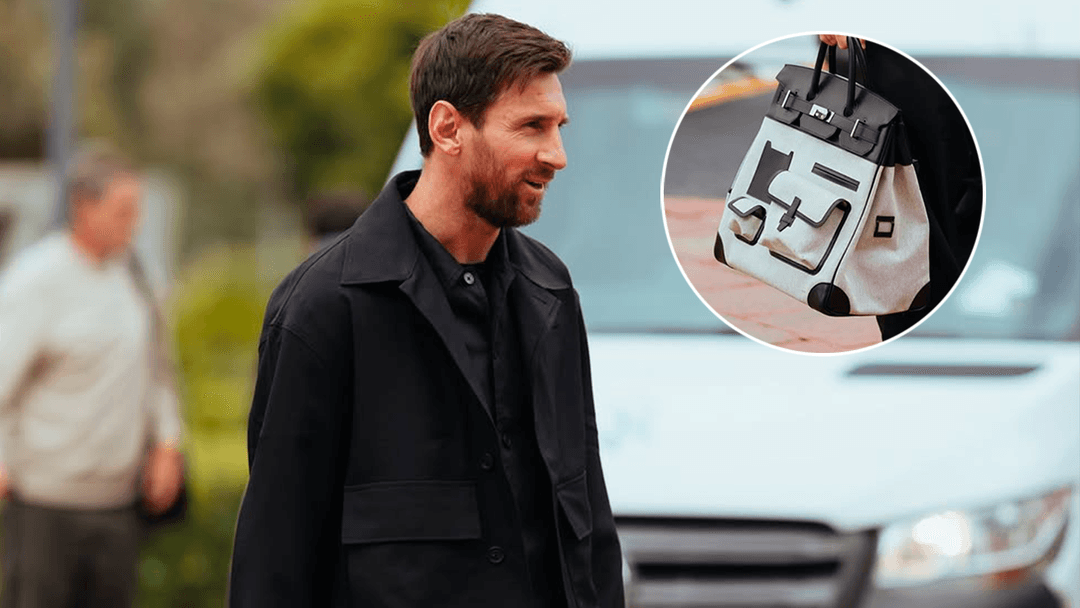
The sight of players arriving at training or walking into international camps with a designer handbag used to feel like an oddity; now it’s become a full-on trend. Over the past months a spate of high-profile footballers, from Lionel Messi to Virgil van Dijk, Leandro Paredes and others, have been photographed carrying Hermès Birkin pieces (including the rare HAC/Cargo variants), turning what was long a symbol of high-fashion femininity into a male-forward status marker in the sport.
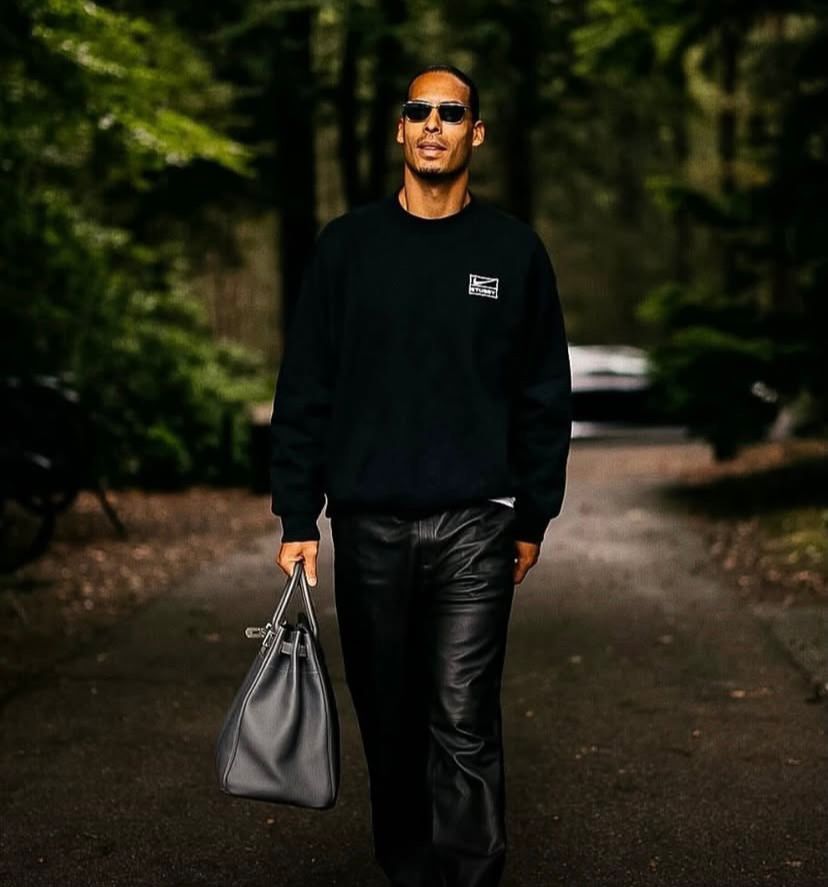
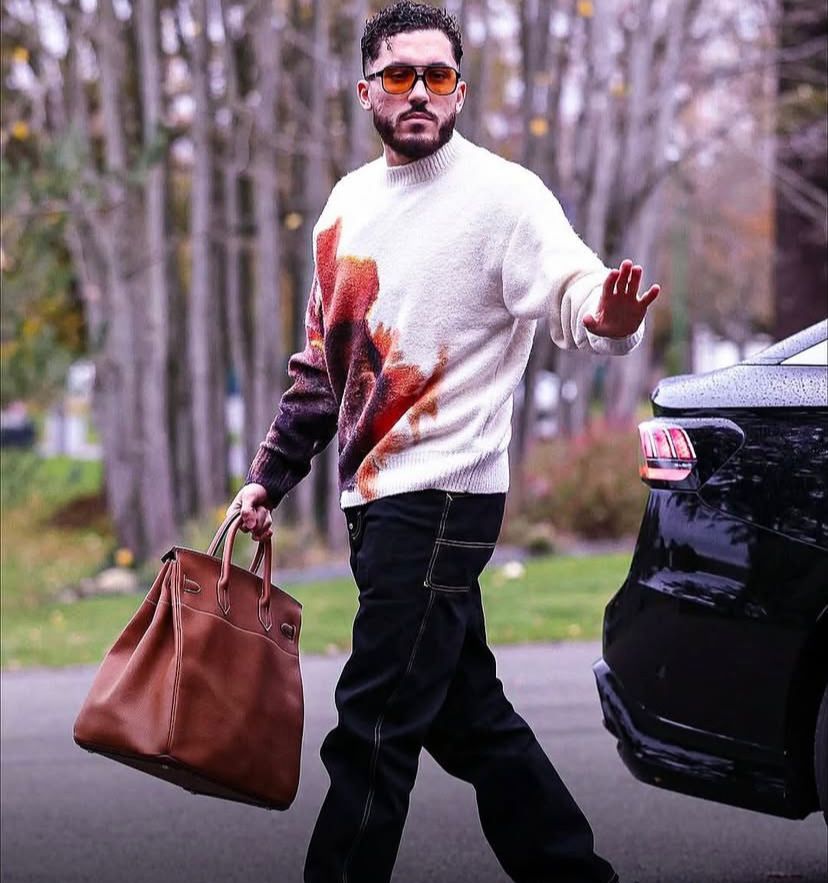
What’s behind the move? Part practicality, part signaling. Big, luxury totes and the Hermès Cargo/Birkin variants do the job of a travel bag while also broadcasting wealth, taste and cultural capital; for athletes whose personal brand matters as much as their on-field performance, an ultra-luxury carryall becomes wearable PR. Retailers and resale platforms have noticed surges in searches for men’s bags, and coverage from outlets tracking celebrity style suggests the look has crossed from isolated celebrity stunts into something more mainstream among elite players.
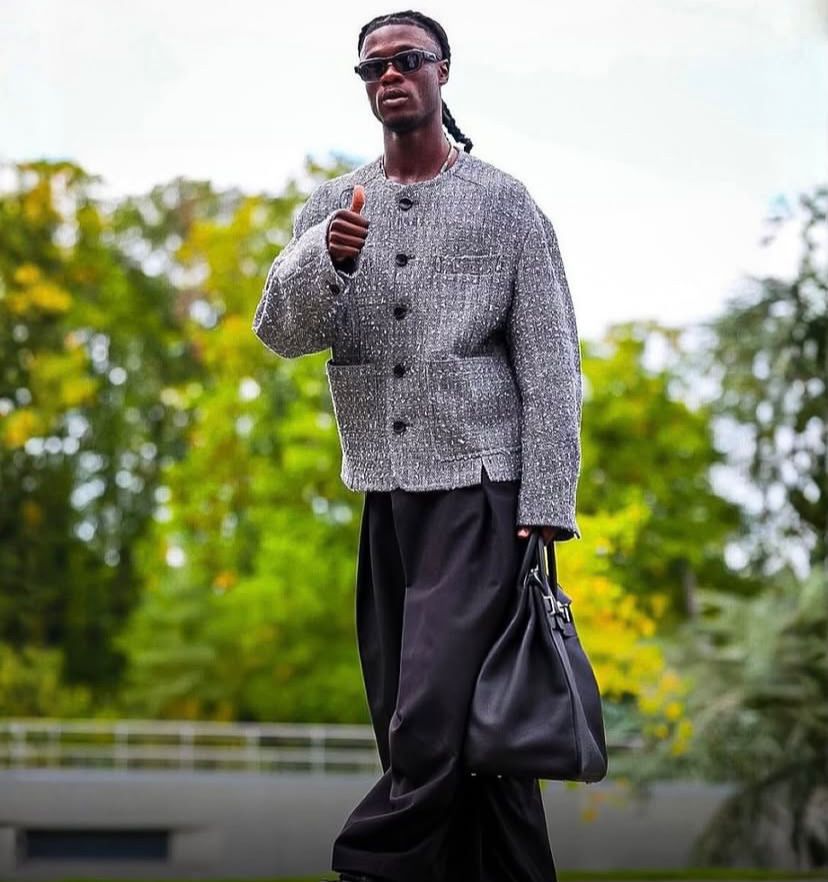
The visual effect is striking: the contrast of cleats and tracksuits with an obviously expensive, often hand-crafted bag rewrites locker-room aesthetics. It also feeds a longer fashion logic where musicians and athletes borrow couture codes to claim cultural taste, a movement that’s pushed gendered assumptions about accessories to the margins. Still, critics ask whether the gesture is shallow signage: an accessory flex divorced from nuance, especially when empty oversized bags become props rather than practical items.
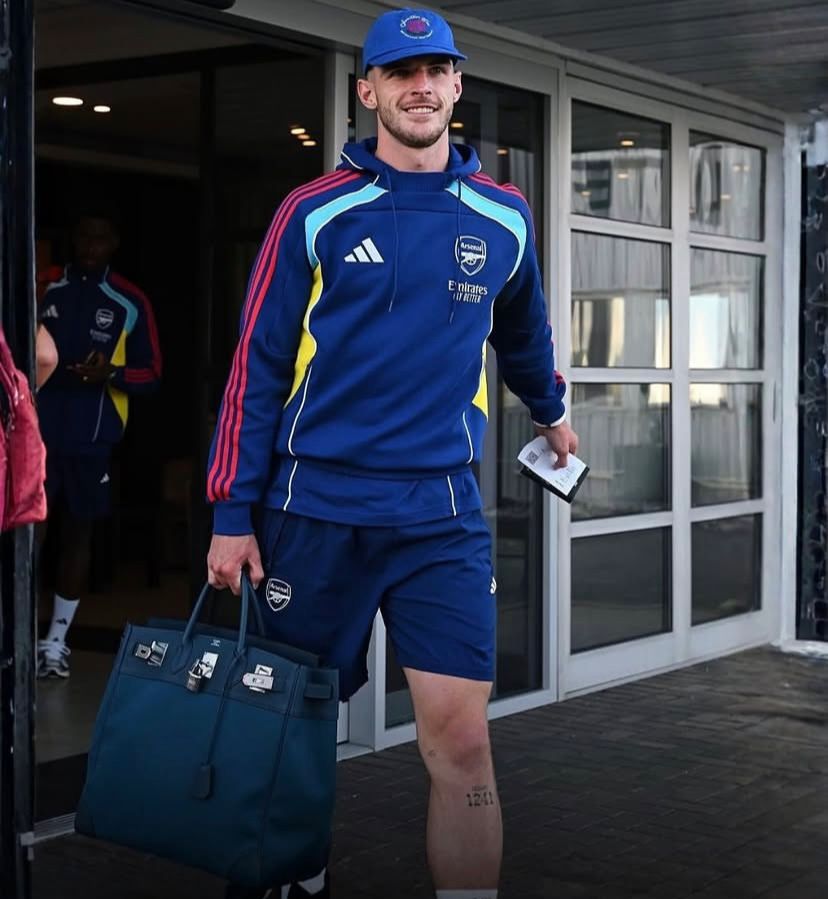
Whatever you make of it, the handbag-as-soccer-accessory moment is unlikely to vanish overnight. It tells us something about how footballers curate public image now, a mix of utility, sponsorship-era branding, and a desire to be read as style authorities off the pitch. And for followers of fashion, it’s simply entertaining to watch a sport that once prized functional minimalism adopt an accessory that’s historically been the ultimate symbol of luxury.


