


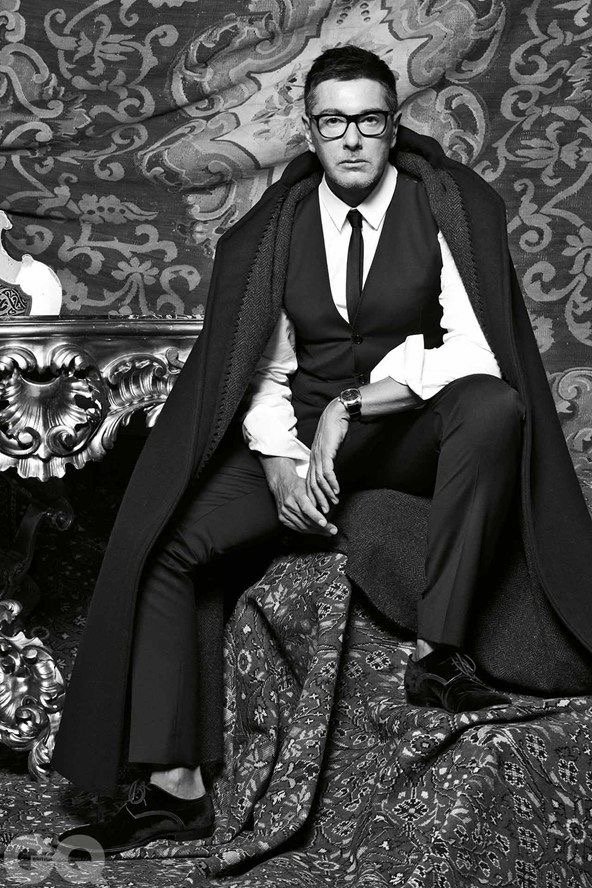
A significant shift is underway at Dolce & Gabbana, as co-founder Stefano Gabbana has stepped down from his role as chairman. Although the decision was made in December 2025, it has only recently come to light through corporate filings, placing the move within the context of a broader transition period for the brand.
Founded in 1985 alongside Domenico Dolce, the label has long been shaped by the duo’s creative and strategic direction. Gabbana’s departure from the chairman role marks a notable change at the top, even as his long-term involvement with the company remains uncertain.
Following the resignation, Alfonso Dolce — current CEO and brother to Domenico Dolce — has stepped in as chairman, maintaining leadership within the founding circle. The transition appears measured rather than abrupt, signaling continuity even amid structural change.
There are also indications of a broader reshuffle. Reports suggest that Stefano Cantino, formerly of Gucci, could join the company’s senior leadership team, though no official confirmation has been made.
The timing of the shift aligns with increasing financial focus for the house. Dolce & Gabbana is currently managing a significant debt load, with ongoing discussions centered around refinancing and securing additional capital.
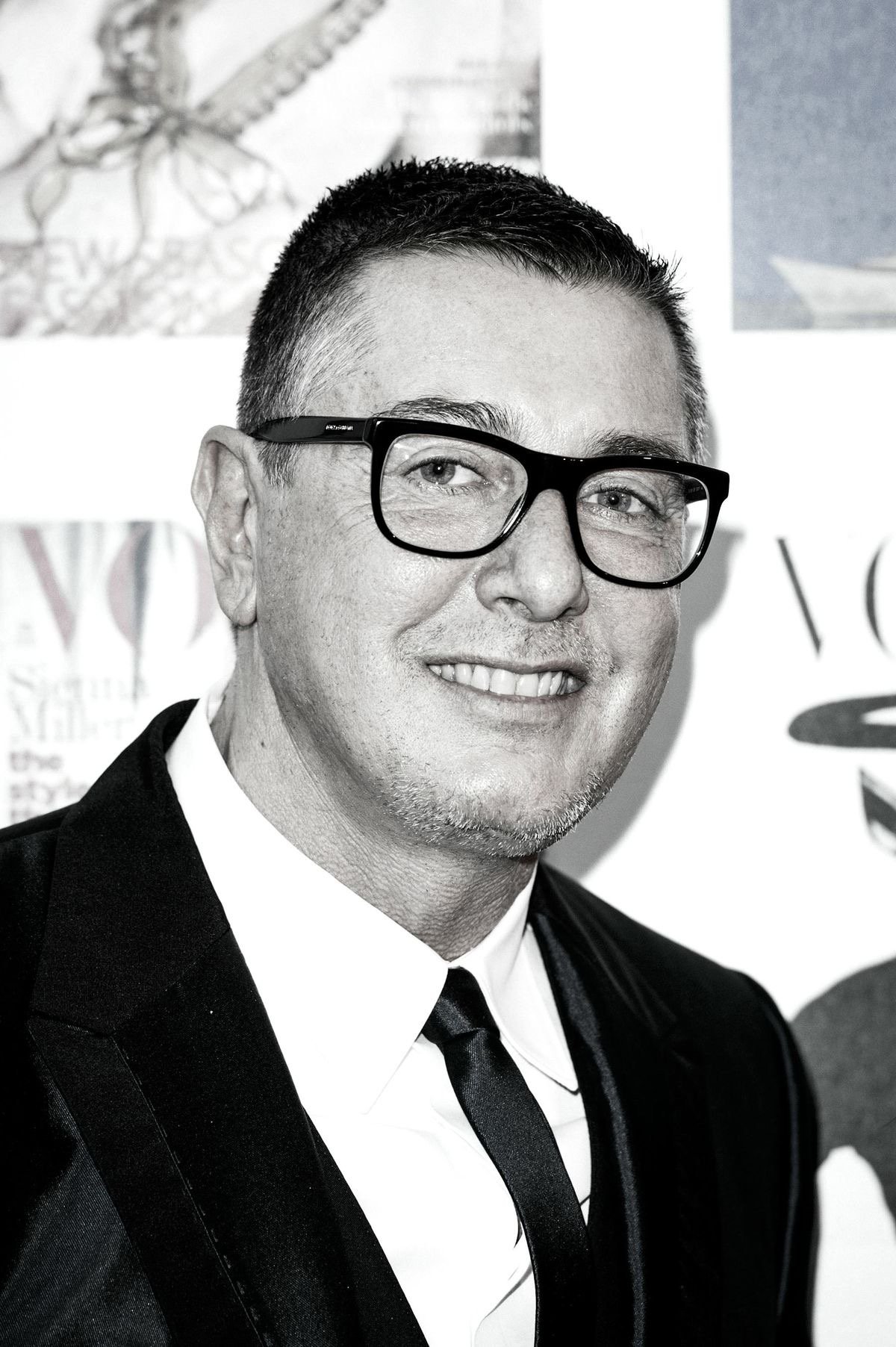
The company is said to be exploring a combination of restructuring existing obligations and unlocking new funding streams, particularly as it continues to invest in high-growth areas like beauty and fragrance. Broader strategies, including asset optimization and licensing adjustments, are also believed to be under consideration.
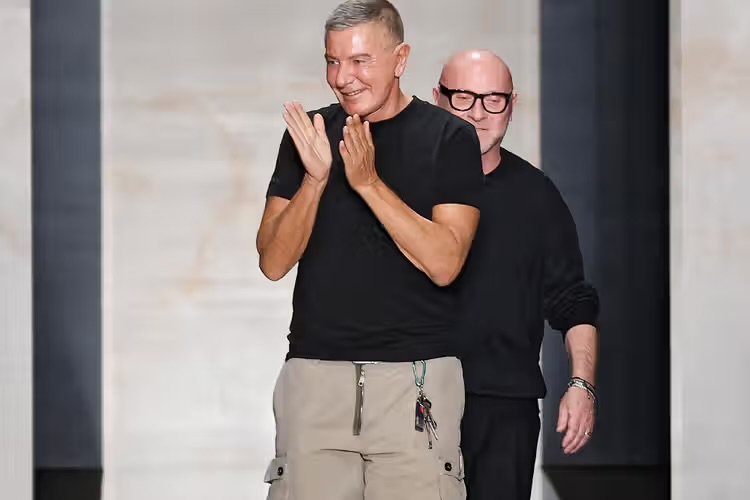
Despite stepping down from a corporate leadership role, Gabbana has remained visibly connected to the brand’s creative output. He recently appeared alongside Domenico Dolce at the close of the label’s latest runway show during Milan Fashion Week, reinforcing his continued presence within the brand’s public-facing identity.

For now, attention shifts to what comes next — particularly regarding his reported 40 percent stake and how it may factor into the company’s evolving structure. Whether this move signals a gradual step back or a deeper transformation remains to be seen.


