


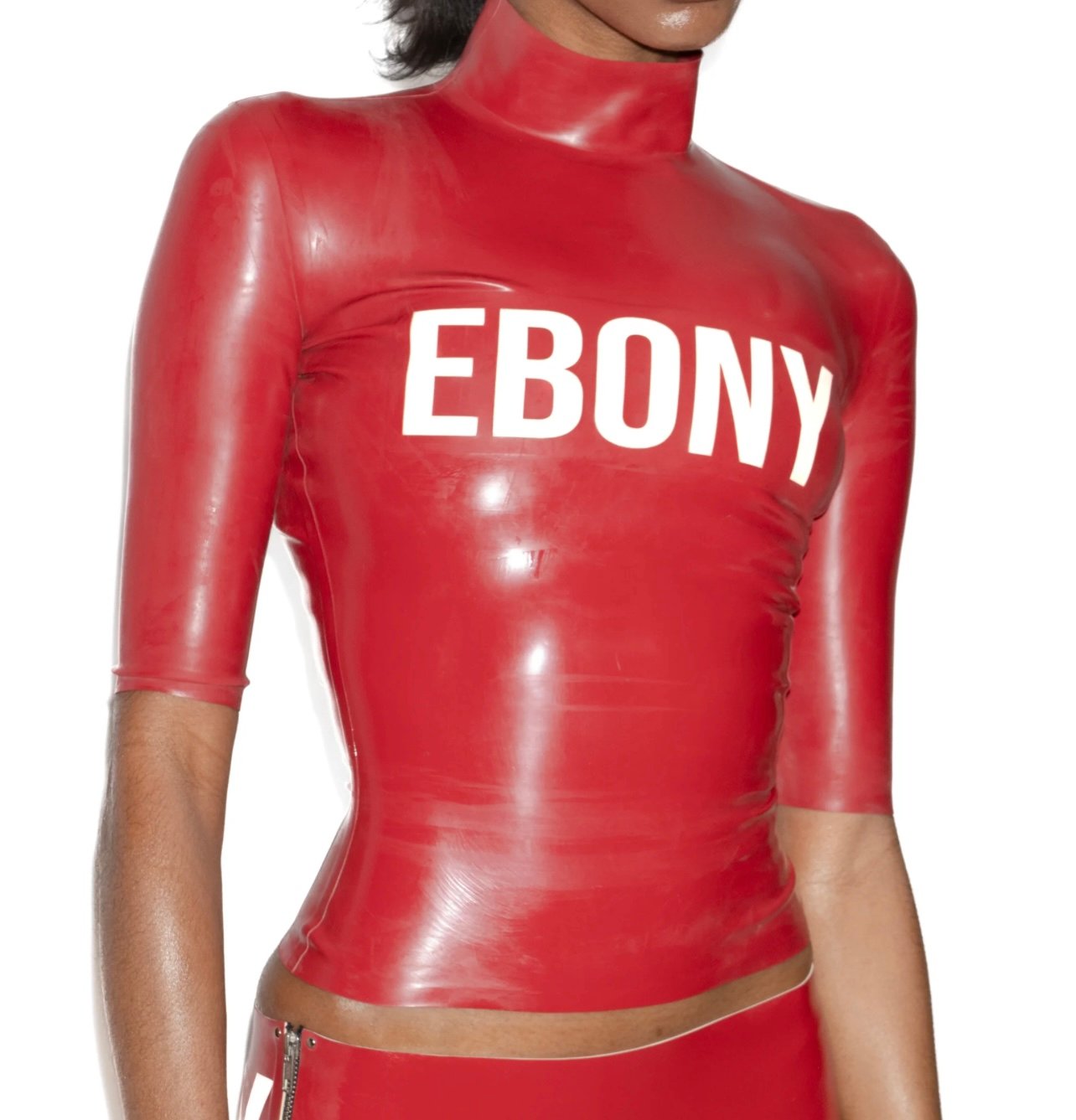
The Ebony Media Mowalola trademark lawsuit has become one of the fashion industry’s most closely watched legal disputes, placing intellectual property rights and artistic expression at the center of a high-profile courtroom battle. Ebony Media Group, LLC—the company behind the historic EBONY magazine—has filed a federal trademark infringement lawsuit against Nigerian-born, London-based designer Mowalola Ogunlesi and her label, Mowalola Ltd.
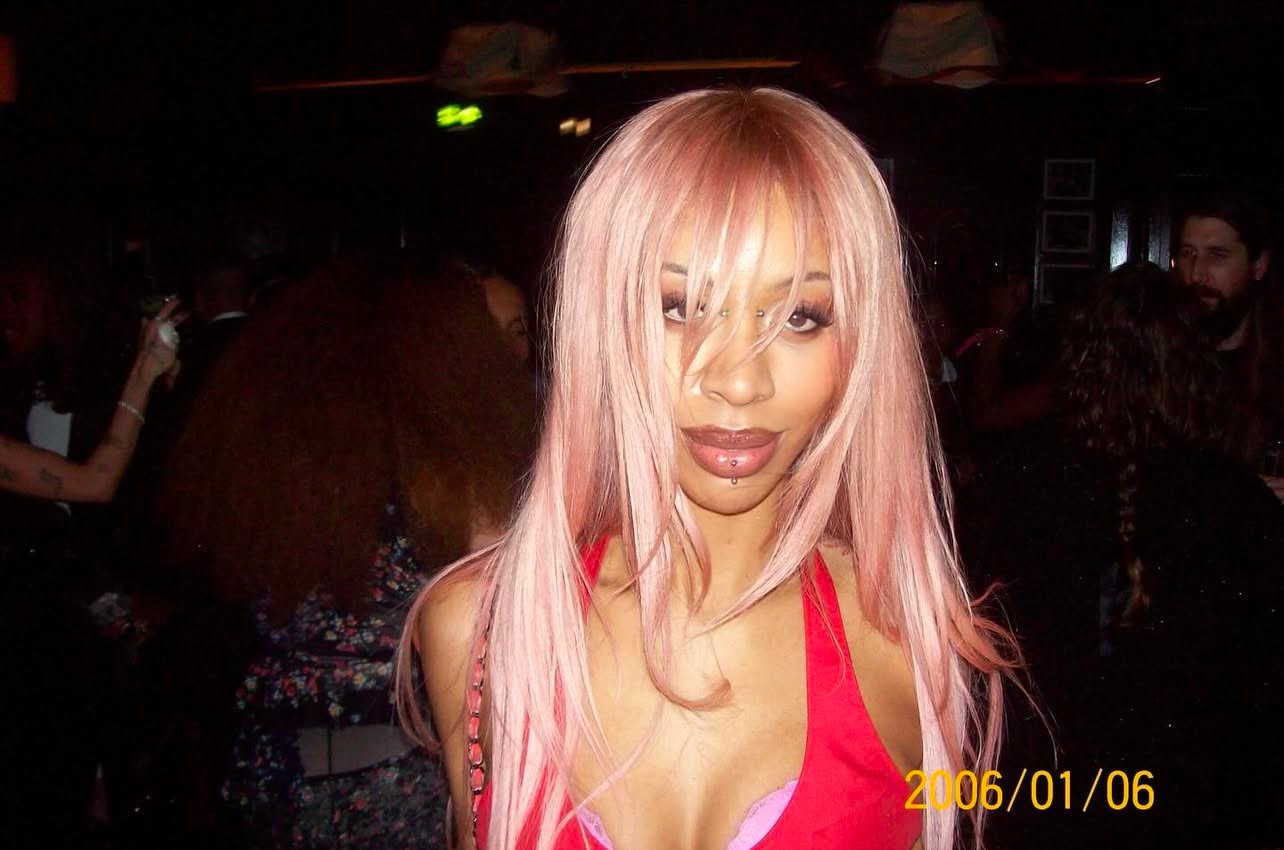
The lawsuit follows the designer’s use of the word “EBONY” across apparel and accessories featured in her collections, prompting Ebony Media to argue that the branding infringes upon its long-established trademark rights. As both the fashion and legal worlds follow the proceedings, the case could have lasting implications for how protected trademarks are used within creative industries.
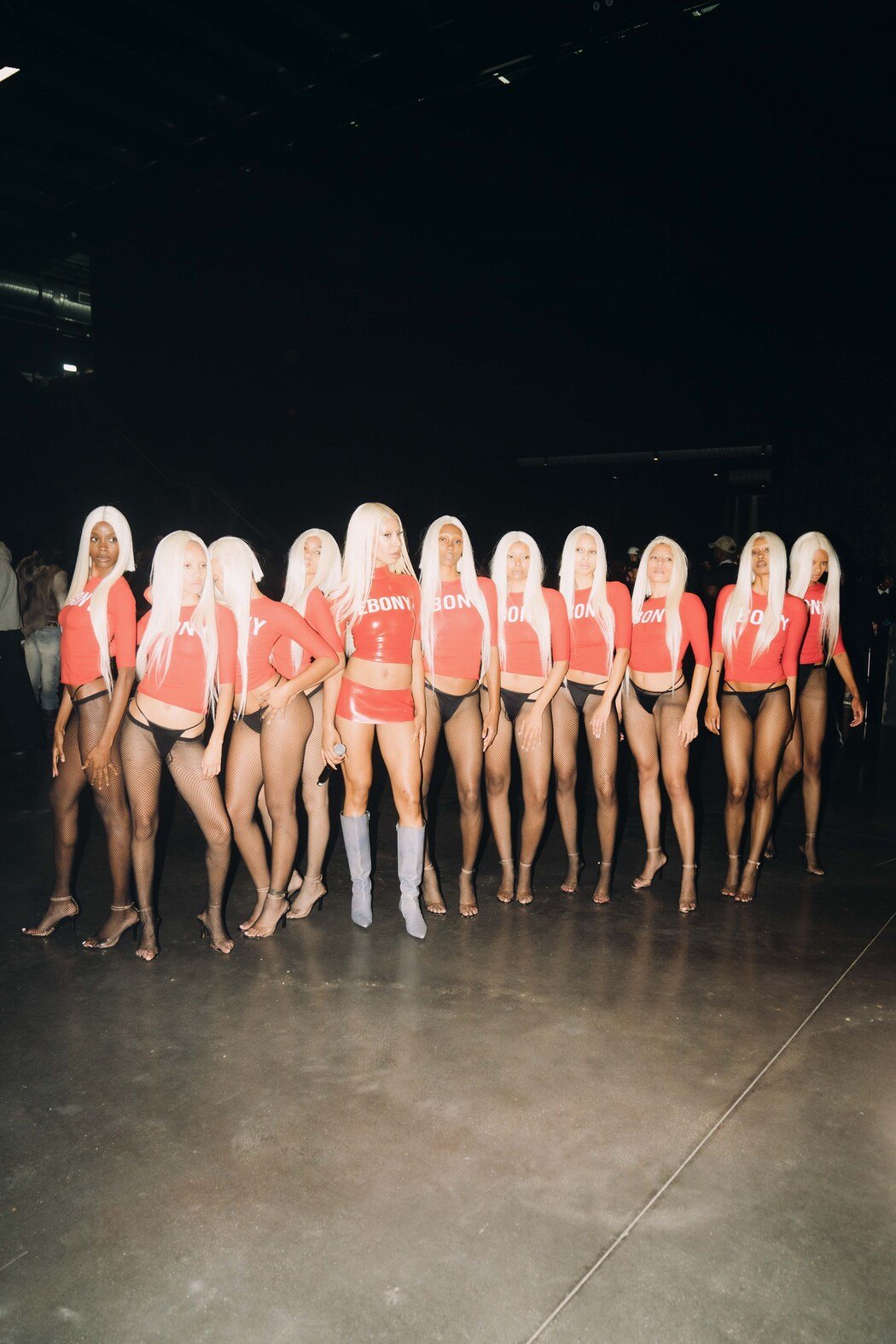
If you’re planning to follow this massive corporate-meets-runway clash, here’s everything you need to know about the ongoing Ebony Media Mowalola trademark lawsuit.
Ebony Media Has Filed a Federal Trademark Infringement Lawsuit
The Dispute Originated From Mowalola’s “Dirty Pop” Collection
Why the EBONY Trademark Matters
Mowalola Is Known for Challenging Fashion Norms
The Case Could Set an Important Fashion Industry Precedent
At the center of the Ebony Media Mowalola trademark lawsuit is a complaint filed on May 27, 2026, in the U.S. District Court for the Western District of Kentucky (Louisville Division). The lawsuit, officially registered as Civil Action No. 3:26-CV-399-CRS, has been assigned to Senior District Judge Charles R. Simpson III.
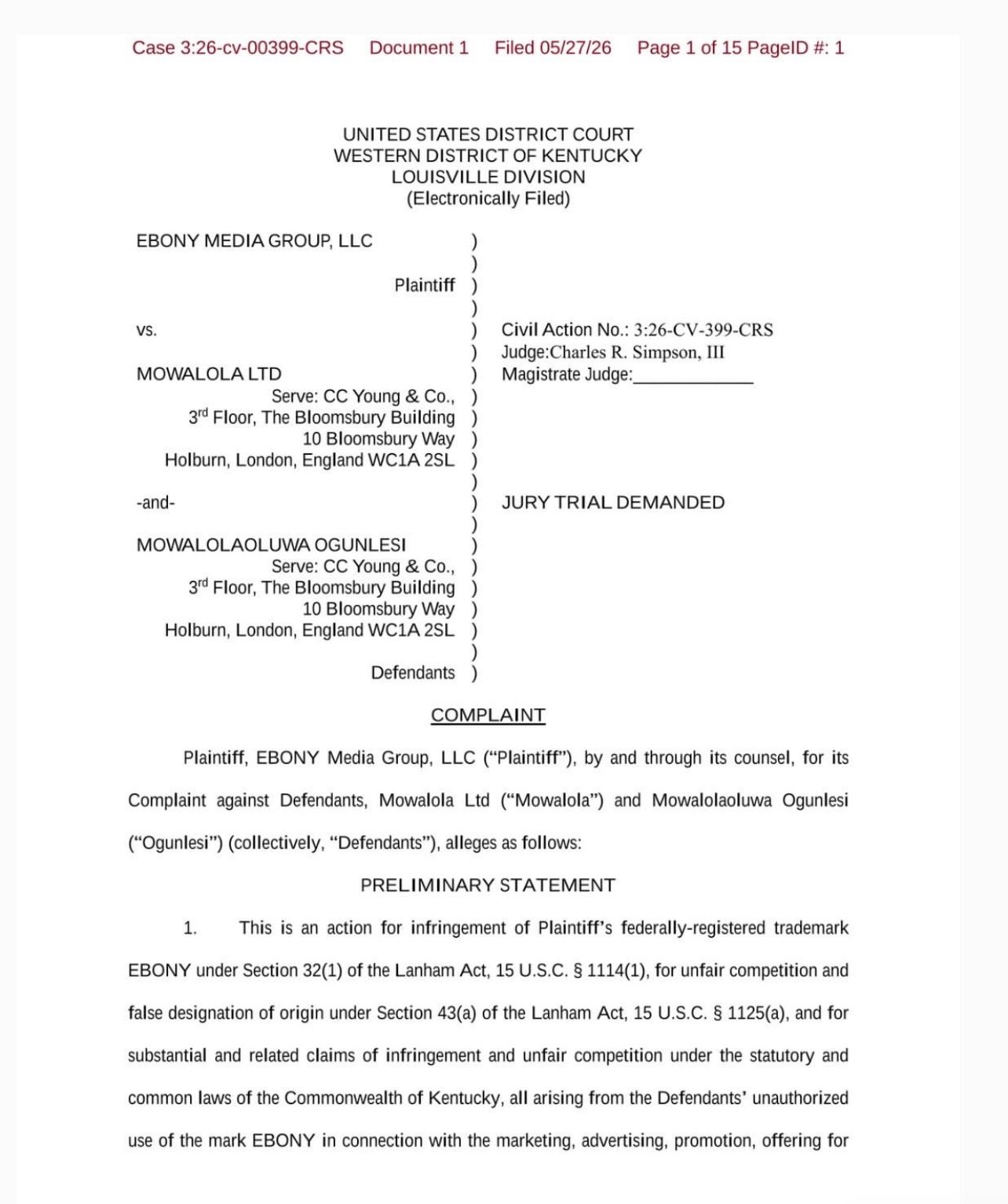
According to the complaint, Ebony Media alleges that Mowalola’s use of the EBONY name on commercial merchandise infringes upon its federally registered trademark and creates immediate confusion among everyday consumers.
Among the primary legal claims are:
Trademark infringement under Section 32(1) of the Lanham Act
False designation of origin
Unfair competition
Trademark dilution
Violations of Kentucky common law
Ebony Media explicitly argues that its trademark has been meticulously built over decades and deserves strict protection from unauthorized commercial use.
The commercial and artistic friction driving the Ebony Media Mowalola trademark lawsuit stems directly from Mowalola’s highly discussed Spring/Summer 2025 collection, titled “Dirty Pop.”
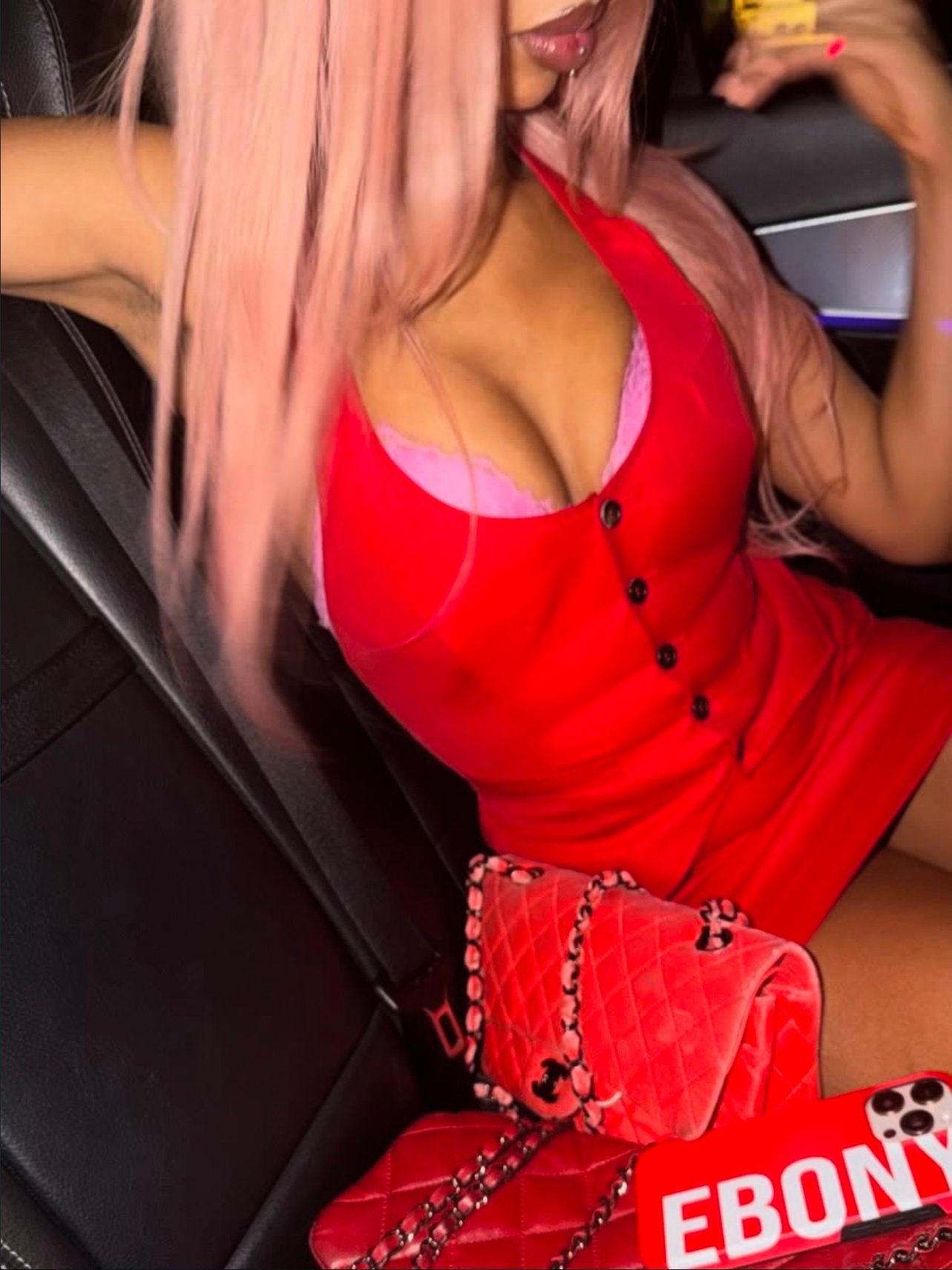
Throughout the runway presentation, the word “EBONY” appeared prominently across ready-to-wear garments, graphic knitwear, statement accessories, and lifestyle products. The branding later expanded directly to commercial consumer merchandise, including phone cases and other small goods sold through the designer’s primary online store.
According to Ebony Media, these items move aggressively beyond pure artistic expression and cross into commercial trademark exploitation. Conversely, supporters of the designer argue that the collection explored deep themes surrounding Black identity, pop culture, and historical media representation rather than attempting to imitate or financially capitalize on the publication itself.
Understanding the high stakes behind the Ebony Media Mowalola trademark lawsuit requires appreciating the vast cultural importance of EBONY magazine. Founded originally in 1945 by John H. Johnson, the iconic publication became one of the most influential media voices documenting Black culture, entertainment, politics, fashion, and history in modern America.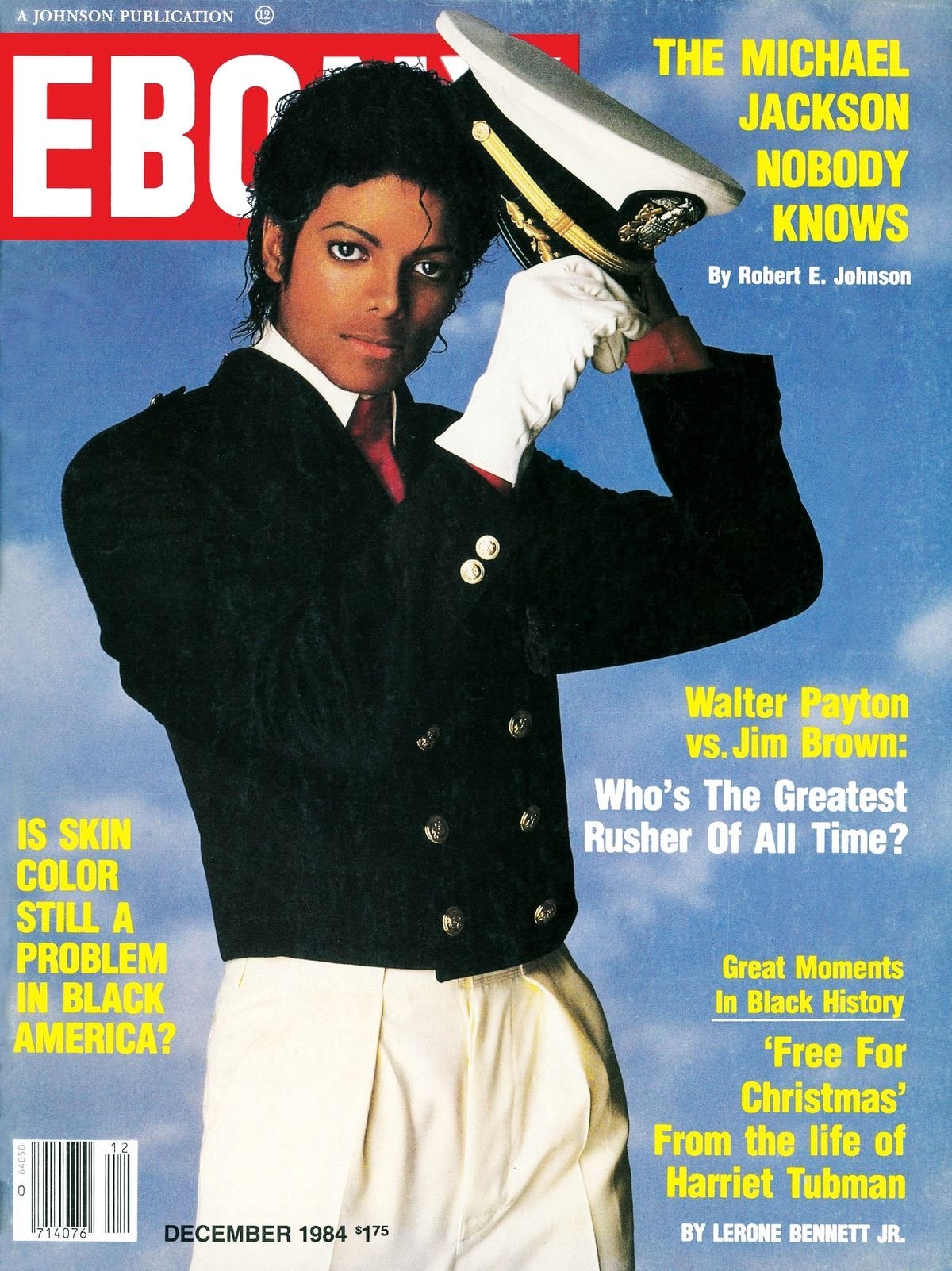
Following notable financial challenges, the legacy publication was acquired by 1145 Holdings in late 2020 under the active leadership of CEO Eden Bridgeman Sklenar for a reported $14 million. This purchase led to a major digital relaunch and renewed corporate investment in the title by 2021.
Because EBONY remains one of the most instantly recognizable names in global media, the company contends that protecting its trademark is essential to preserving nearly eight decades of brand equity and consumer recognition.
Mowalola Ogunlesi has built an entire career by pushing creative boundaries and dismantling traditional industry expectations. After graduating from the prestigious Central Saint Martins art school in London, the Nigerian-born designer quickly captured global attention for her hyper-futuristic silhouettes, provocative storytelling, and bold, unfiltered visual language.
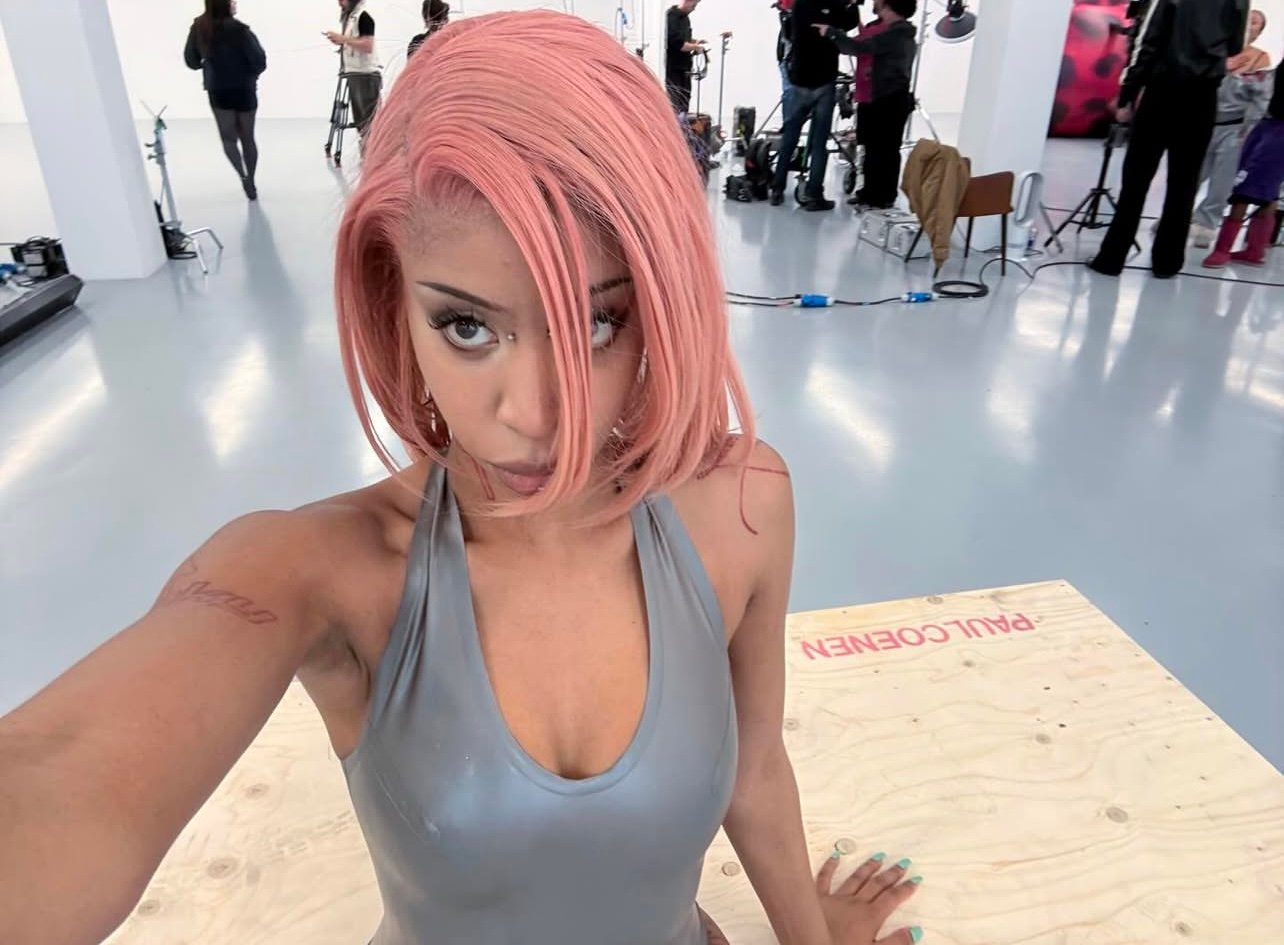
Her impactful work has included high-profile creative design roles—such as leading the design direction for Kanye West’s Yeezy Gap initiative—and her pieces have been worn by generation-defining cultural icons including Naomi Campbell, Drake, and Playboi Carti.
Given her reputation for utilizing fashion as raw cultural commentary, legal observers anticipate her defense team at CC Young & Co. will argue that the word “Ebony” was used descriptively and artistically to reflect identity rather than as a commercial trademark intended to denote the source of manufactured goods.
Beyond the immediate legal parties involved, the Ebony Media Mowalola trademark lawsuit could heavily influence future copyright and branding disputes involving fashion labels, contemporary artists, and heritage corporate trademark owners.
The case highlights an increasingly common friction point within contemporary luxury streetwear: balancing strict corporate trademark protections with absolute creative freedom.
If Ebony Media succeeds: The decision may significantly reinforce the rights of trademark owners to prevent the commercial use of culturally significant words associated with their corporate brands.
If Mowalola prevails: The outcome could strengthen the legal argument that fashion designers retain broad artistic license when utilizing language as cultural commentary within their collections.
Regardless of the final ruling issued by Judge Simpson, intellectual property professionals, major luxury retail platforms, and media conglomerates around the world are keeping a very close watch on the proceedings.
The Ebony Media Mowalola trademark lawsuit represents far more than a simple disagreement over retail branding. It places two immensely influential names in Black culture—one rooted in historic corporate publishing and the other in contemporary underground fashion—at opposite ends of a complex legal debate over trademark rights and artistic expression.
As the case makes its way through federal court, its outcome will likely shape how designers choose to reference culturally significant words in future seasonal drops. Whether the final ruling tilts toward rigid trademark enforcement or expansive creative freedom, the decision is guaranteed to become a defining landmark reference point for both the fashion industry and modern intellectual property law.


