


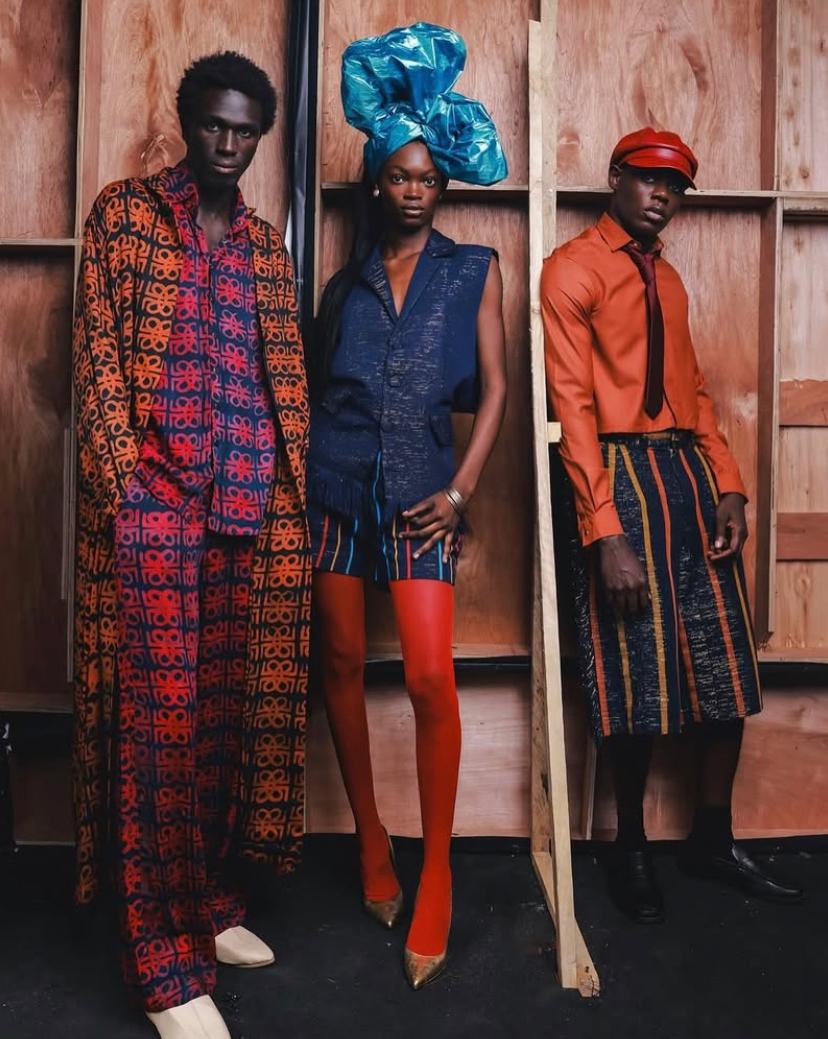
At Lagos Fashion Week SS26, Jermaine Bleu delivered one of the most emotionally charged collections of the season. Titled “Twa Me Foto,” Twi for “Take My Photo” , the presentation unfolded as a visual memoir, grounding the runway in Ghanaian nostalgia, family history, and the power of being seen. Styled with precision and cultural sensitivity by Eniafe Momodu, the show balanced heritage with contemporary fashion language, presenting a collection that felt both archival and forward-moving.
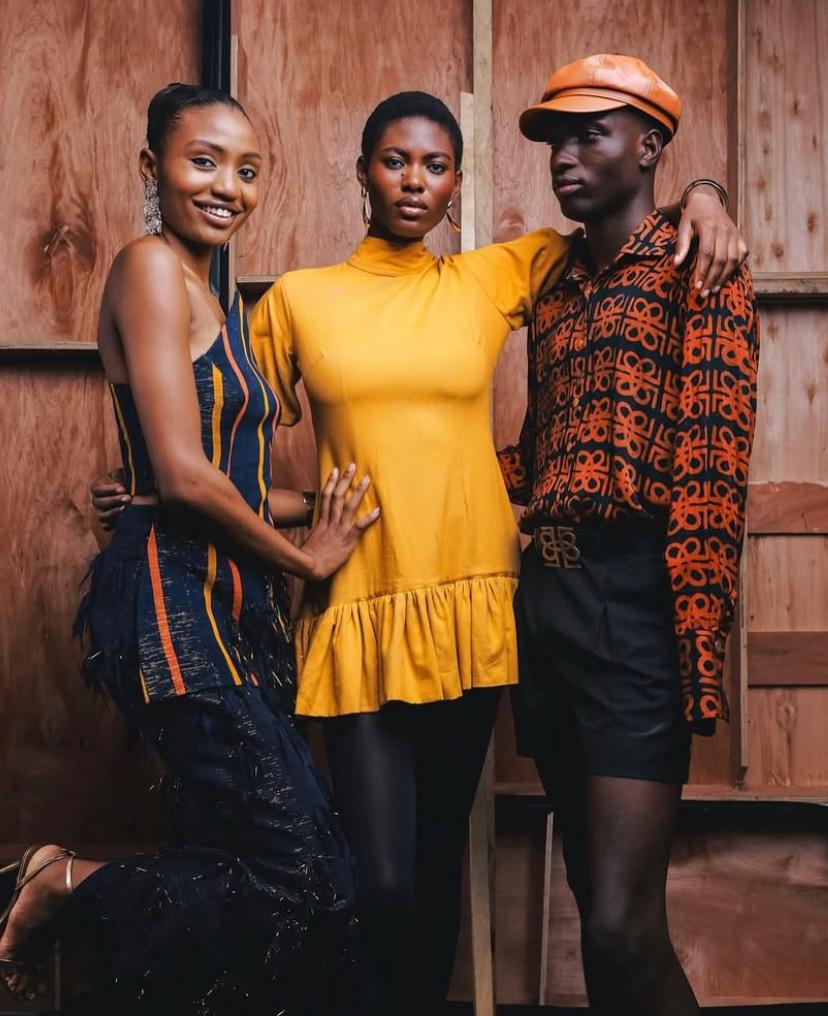
For designer Jason Jermaine Asiedu, “Twa Me Foto” is rooted in personal memory: the family photo albums of the 70s and 80s that shaped how he understands image-making, identity, and self-presentation. Rather than treating those memories as static, Asiedu translated them into garments that move both literally and emotionally offering a modern tribute to Ghanaian storytelling.
Kente, one of Ghana’s most significant textiles, was central to the narrative. But rather than presenting it as ceremonial, Asiedu reworked hand-woven panels into relaxed tailoring, contemporary dresses, and easy, everyday silhouettes. The color palette, rich reds, vibrant yellows, deep blues, echoed the bold contrasts of vintage photography while feeling right at home in today’s fashion landscape. Structured shoulders, softened suits, and fluid dresses pulled references from past decades but never felt dated; instead, they resurfaced old memories through a new lens.
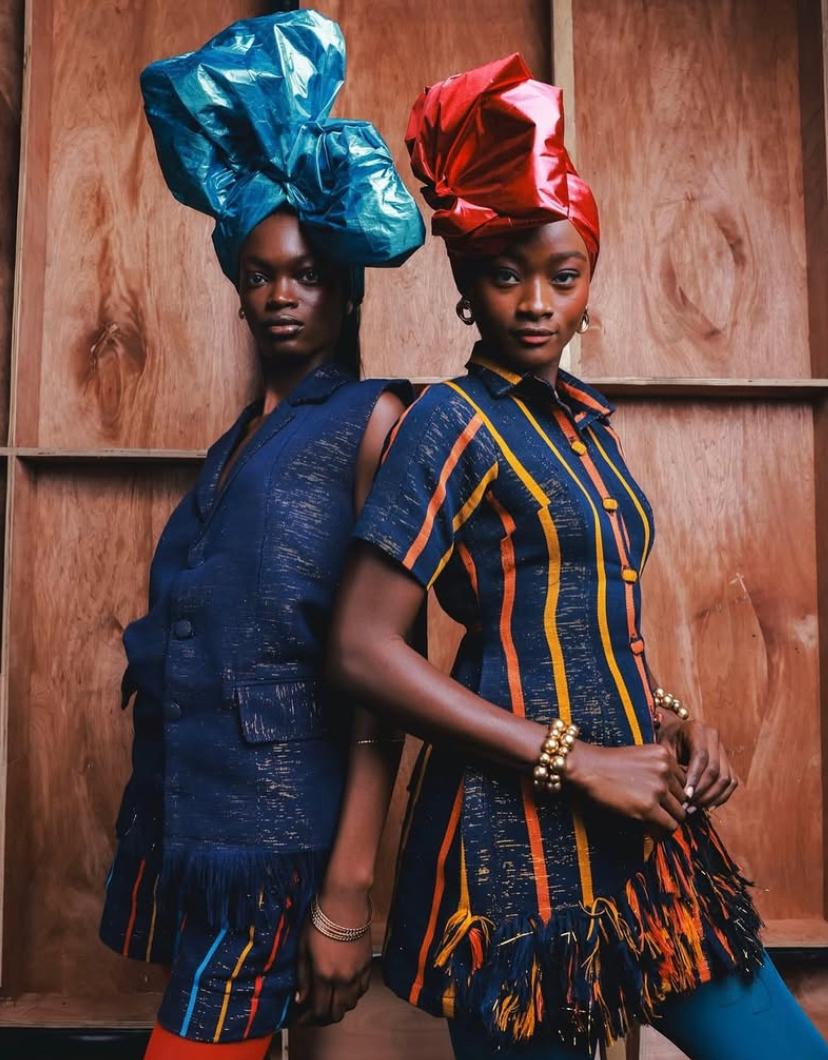
Momodu’s styling amplified the collection’s emotional resonance. Accessories, hair, and casting emphasized the idea of portraiture, models posed, gazed directly at the audience, and held space as if sitting for a family photograph. The result was a runway that felt intimate, reflective, and communal.
By anchoring Ghanaian heritage within the Lagos creative ecosystem, Jermaine Bleu’s LFW showing became more than a fashion moment, it became a cross-West African dialogue about identity, memory, and representation. “Twa Me Foto” didn’t simply ask to be seen; it reminded the audience why capturing ourselves, our cultures, and our histories still matters.


