



Tosin Oshinowo isn’t just designing buildings — she’s shaping futures. The Lagos‑based architect and founder of Oshinowo Studio has become one of Africa’s most compelling voices in socially responsive architecture, blending Afro‑minimalism with community‑centered design that speaks to dignity, belonging, and resilience.

Trained in London and seasoned in global practice, Oshinowo returned to Nigeria to redefine what architecture can mean on the continent. From large civic projects like Maryland Mall to furniture line Ile‑Ila and roles curating the Sharjah Architecture Triennial, she has consistently brought African perspectives into international design conversations. Her work earned her spots on the AD100 list and a 2025 Loeb Fellowship at Harvard’s GSD — recognitions rooted in her ability to elevate local identity through contemporary form.

Now, she’s extending that vision to the embattled northeast. In Borno State, where decades of conflict have forced communities from their homes, Oshinowo Studio’s Ngarannam project is rooted not in generic resettlement blocks but in context and culture.
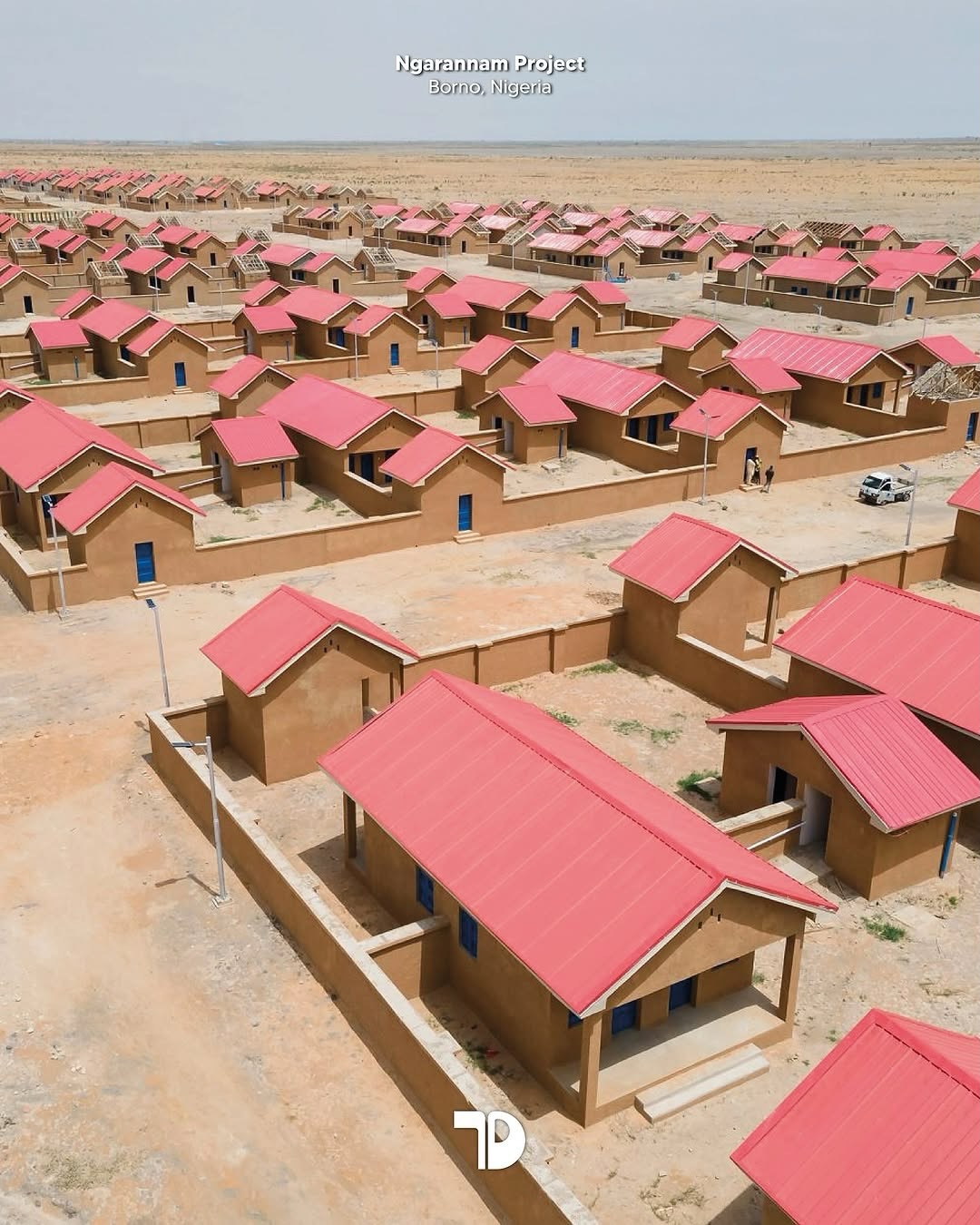
Commissioned with the United Nations Development Programme, the initiative reimagines housing, schools, and community spaces for internally displaced persons — spaces that reflect Kanuri culture, respond to the local climate, and restore a sense of pride to people long defined by loss.
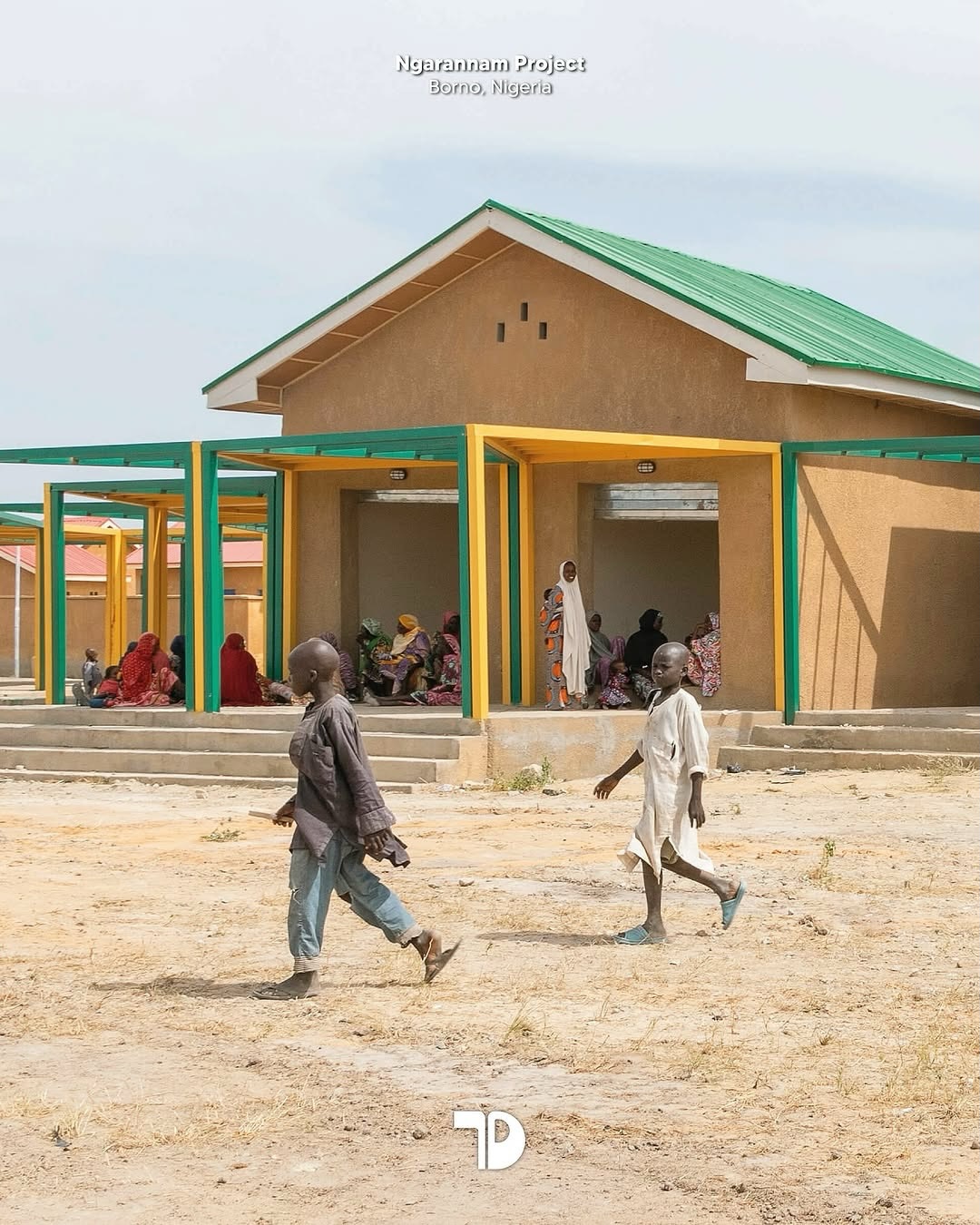
The Ngarannam settlement prioritizes simple, human‑scaled forms that respect traditional life while enabling sustainable growth. Its shading pavilions, open classrooms, and adaptable market spaces are designed with local materials and community preferences in mind — acknowledging that architecture’s power lies in how people live, gather, and belong. “Human‑centred design” isn’t a buzzword here; it’s a strategy for rebuilding identity after displacement.
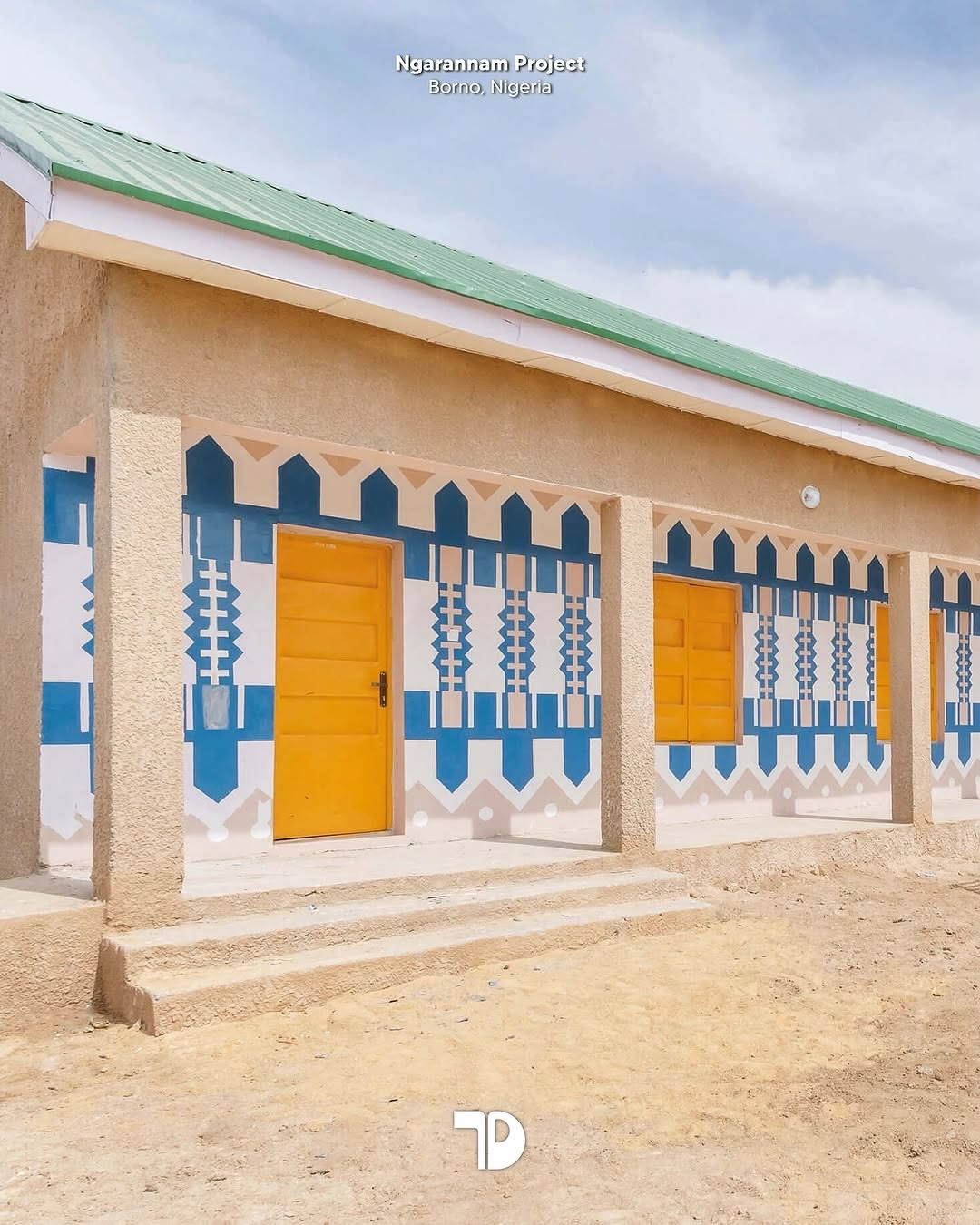
For Oshinowo, Afro‑minimalism isn’t just aesthetic — it’s a philosophy. It uses clear lines, purposeful geometry, and local materials to craft spaces that feel both modern and rooted in heritage, pushing back against imported solutions that overlook lived realities. 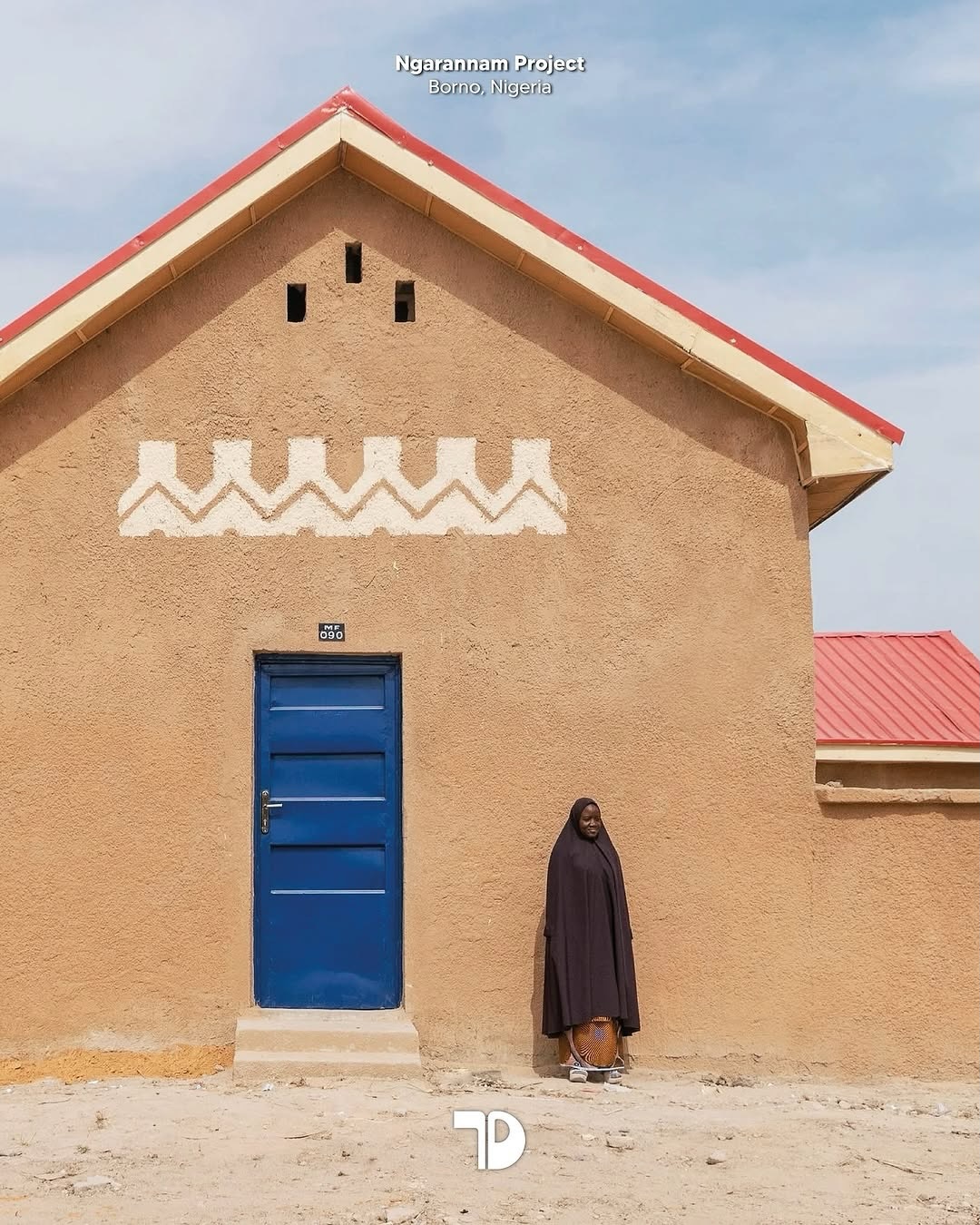 Her practice has long championed this idea, arguing that design must be shaped by history, culture, and community need — not trends.
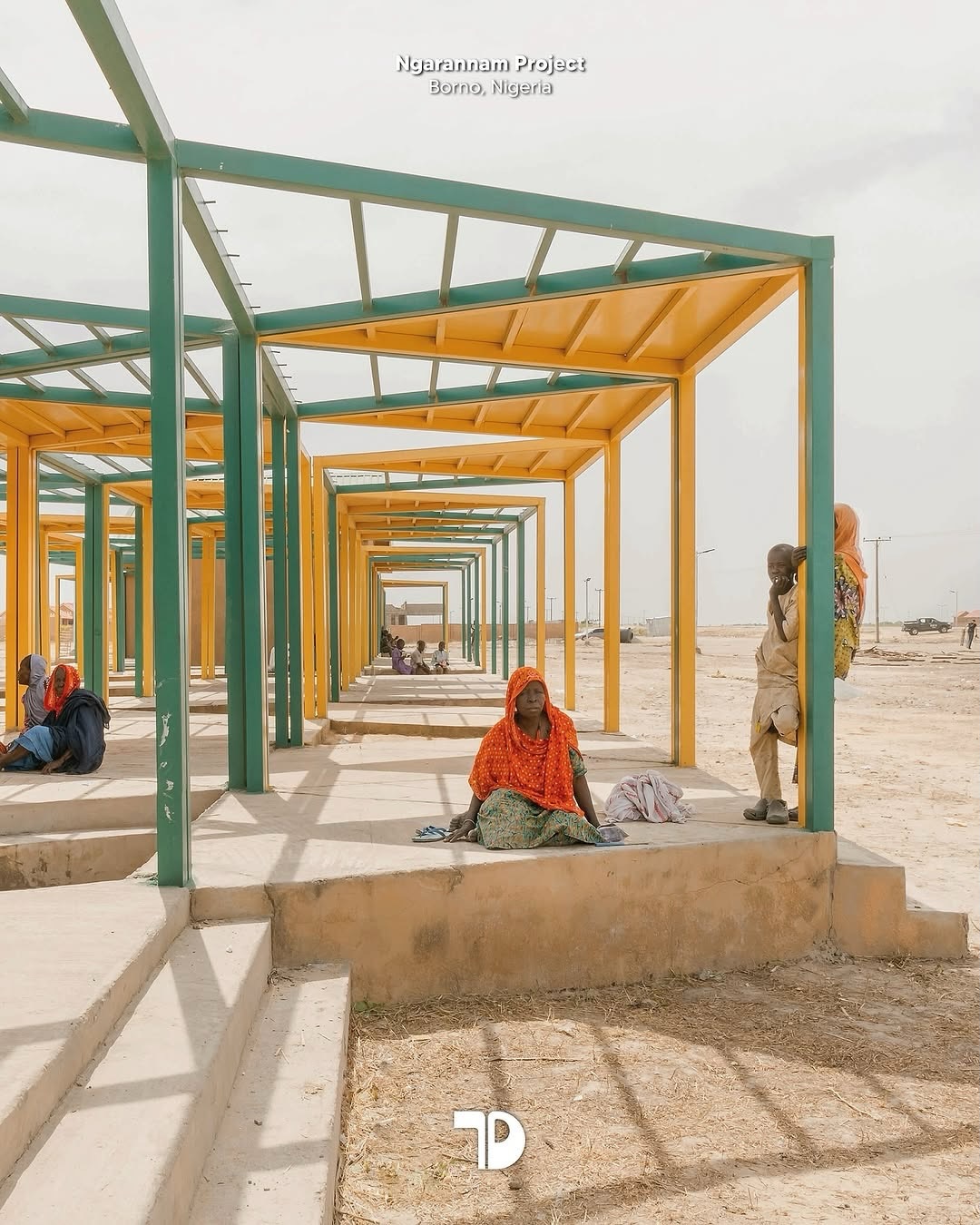
Across cities and conflict zones, her work challenges what architecture on the continent can be: a tool for belonging, dignity, and renewal. 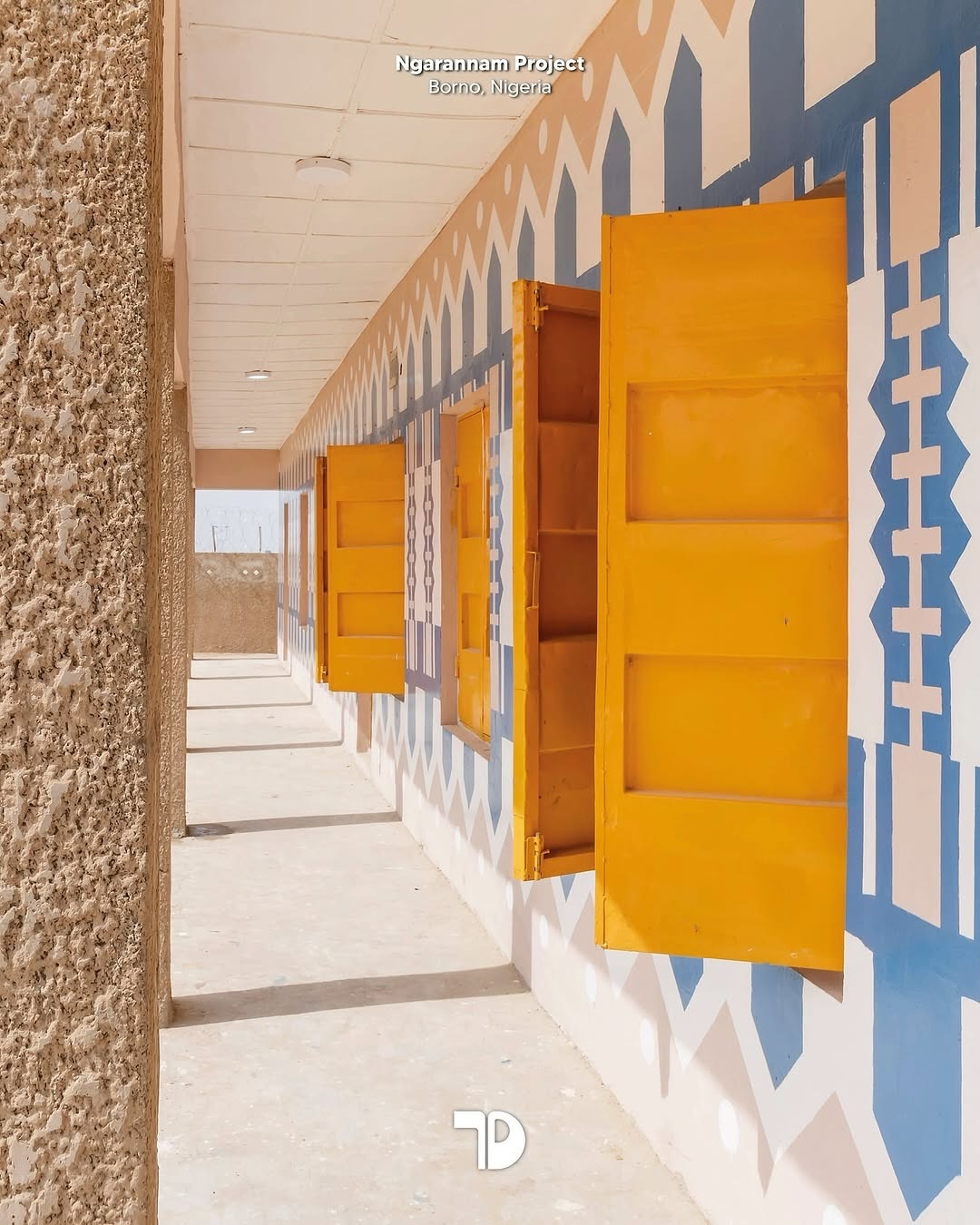 In Borno, that challenge becomes a powerful act of service, offering not just shelter but a platform for displaced communities to rebuild life on their own terms.


