


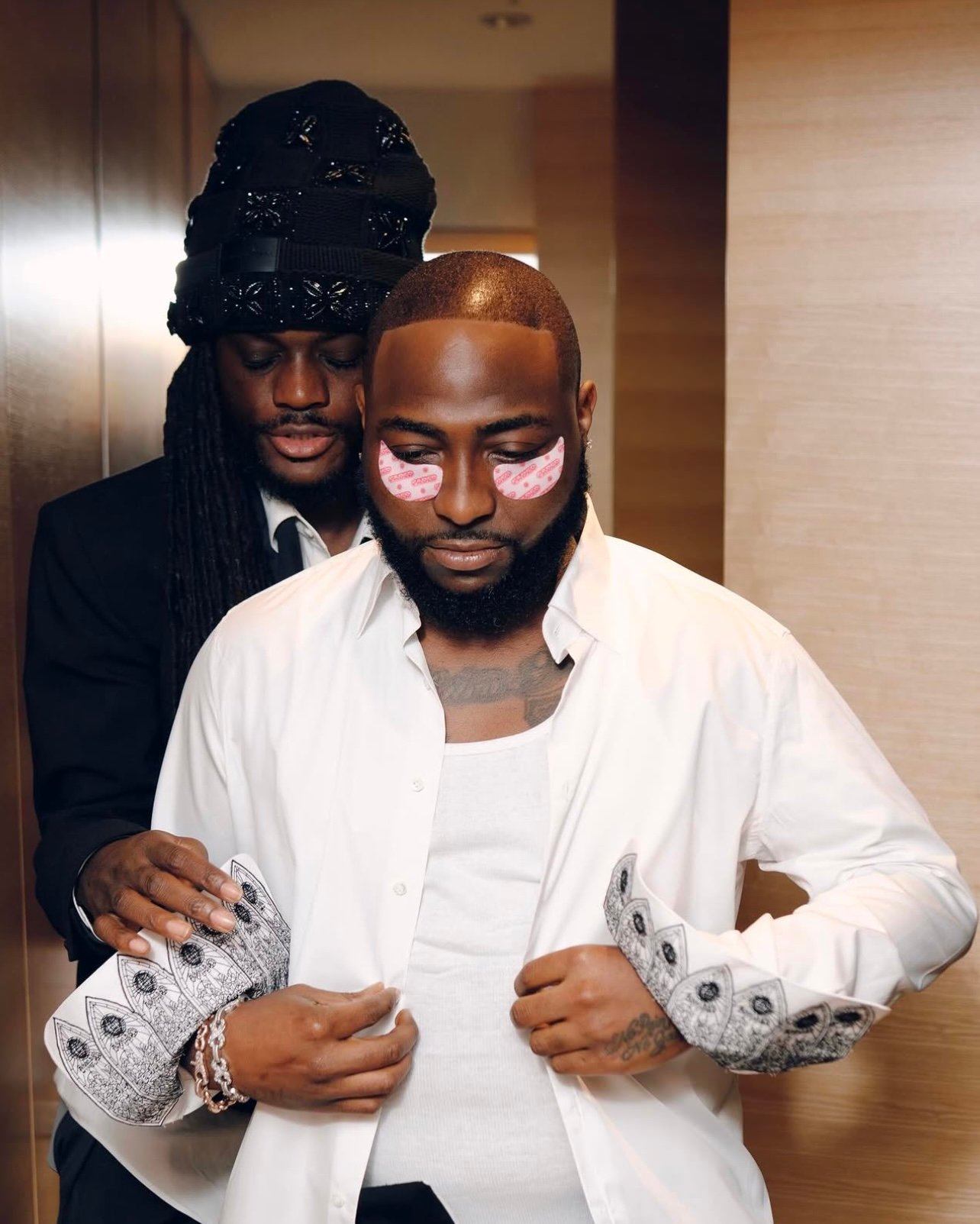
In today’s image-driven culture, style is no longer an afterthought—it’s strategy. Behind every viral red carpet moment, every era-defining music video, and every “best dressed” list sits a stylist shaping perception in real time.
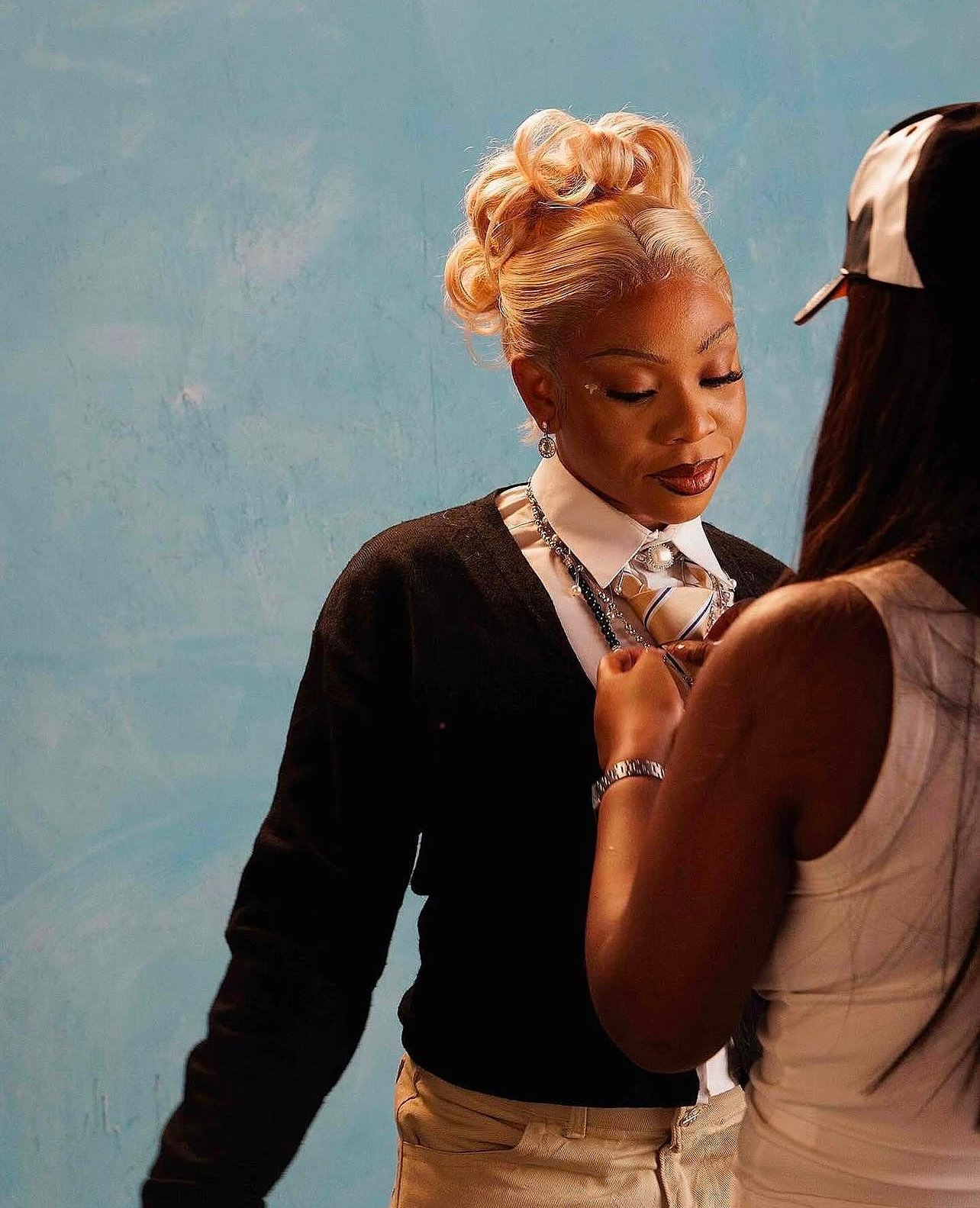
Across Nigeria’s fast-expanding cultural influence, a new class of image architects is emerging, nigerian celebrity stylist —quietly directing how Afrobeats, film, and fashion intersect on the global stage.
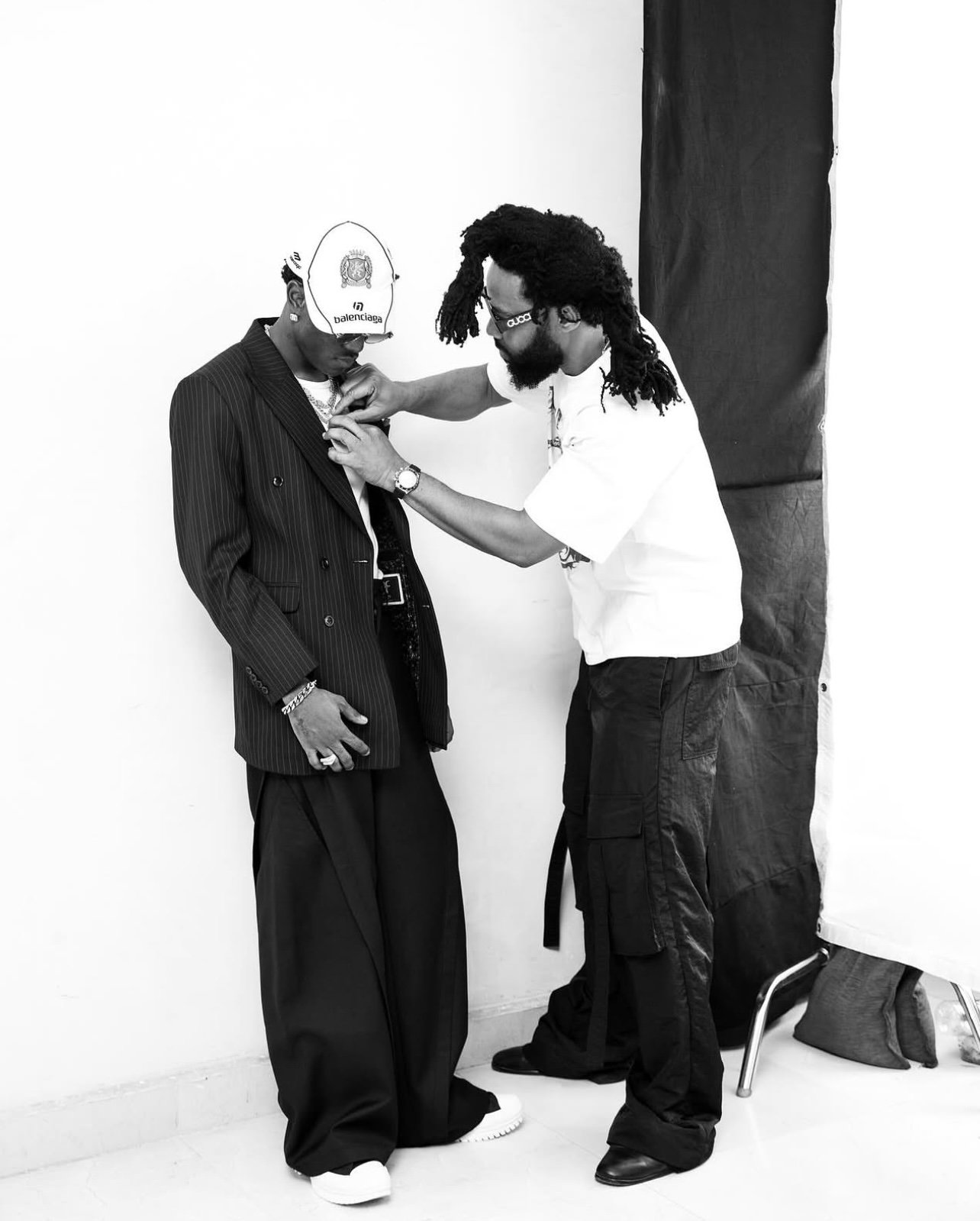
From Lagos to London, New York to Paris, these stylists are not just dressing stars—they are building identities, exporting culture, and redefining what African luxury looks like.
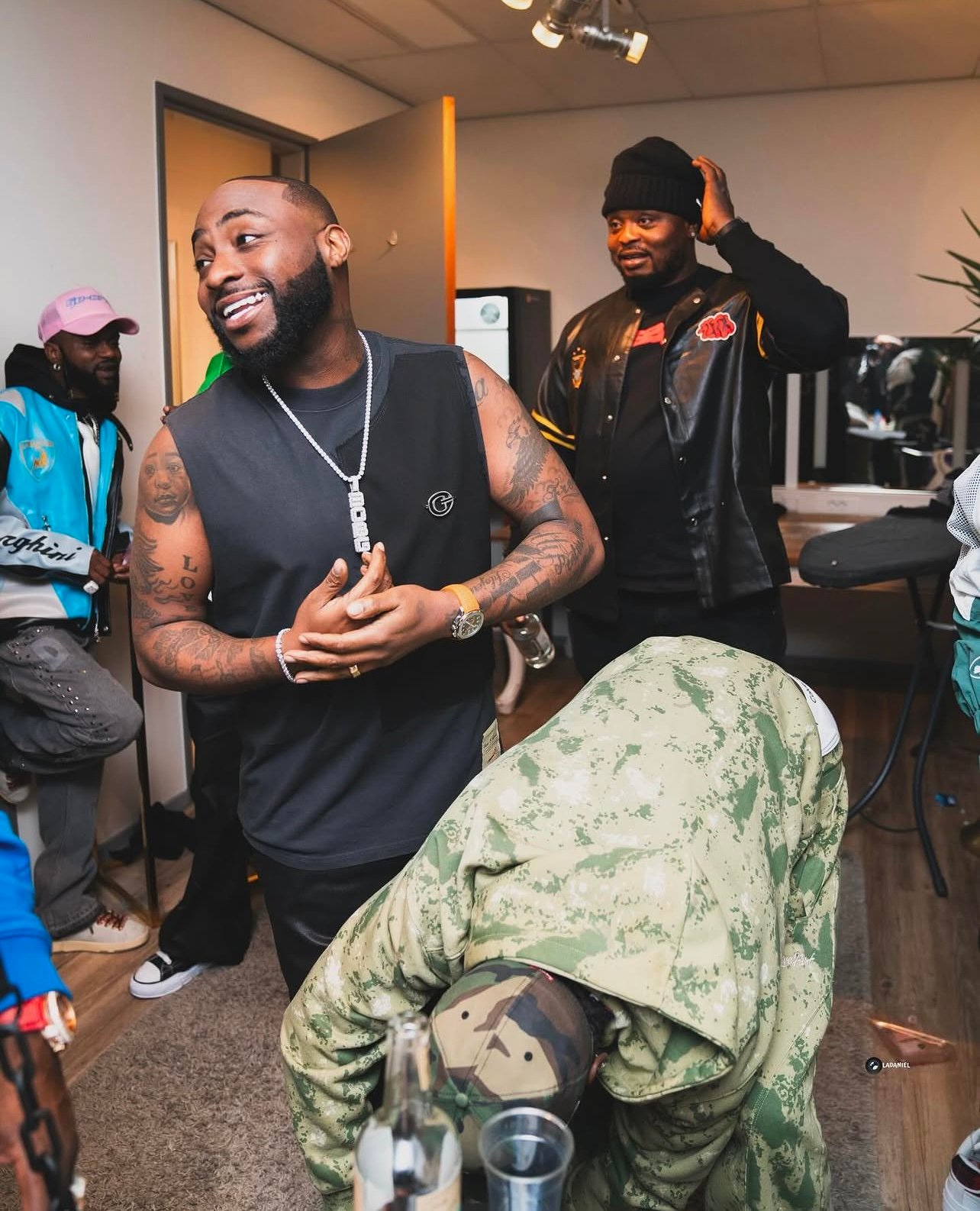
Dunsin Wright has engineered one of the most compelling fashion evolutions in recent memory. With Tems, the approach is deliberate—sculptural silhouettes, soft drama, and a balance between femininity and power. The result is a global fashion presence that feels both intentional and untouchable.
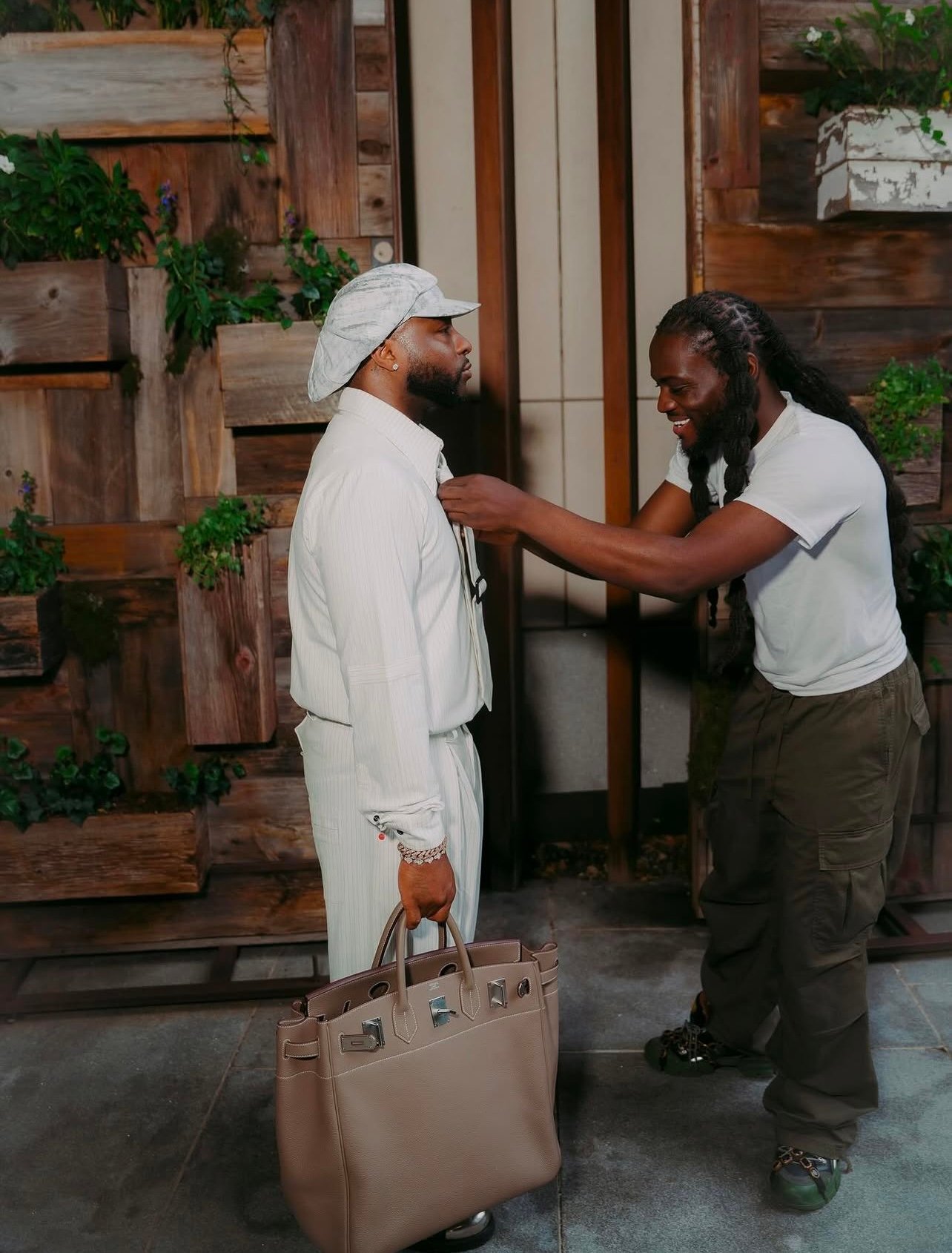
Hollyandroo operates at the intersection of heritage and modern luxury. With Davido, the narrative is always bigger than the outfit—often weaving African identity into contemporary streetwear and high fashion. Each look feels like a cultural statement, not just styling.
Ashkatalogue thrives in excess. Texture, layering, statement pieces—nothing is too loud. His work with a number of Nigerian Artists has defined a new visual language in Afrobeats: expressive, unpredictable, and unapologetically maximal.
Mui-Hai Chu brings editorial precision into music styling. With Rema, she has shifted the narrative from streetwear-heavy to refined, global minimalism. The aesthetic is clean, controlled, and quietly luxurious—designed for longevity.
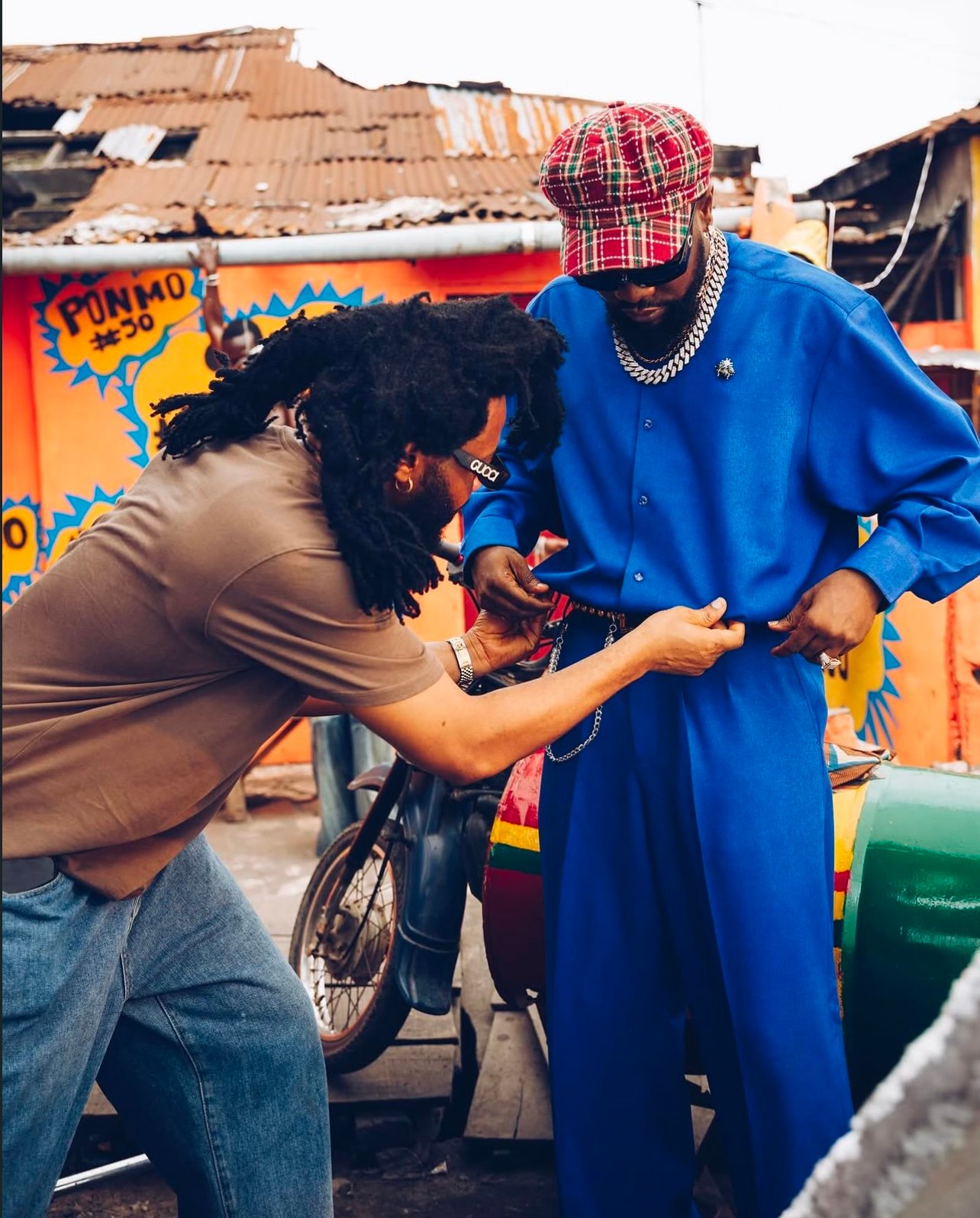
A veteran in the space, Angel’s influence is rooted in volume and visibility.
With hundreds of music videos under his belt, his style leans bold, commercial, and instantly recognizable—bridging Afrobeats with global hip-hop aesthetics.
By Obehi represents the underground. Her styling rejects polish in favor of grit—distressed textures, unconventional silhouettes, and a rawness that reflects the next wave of Nigerian fashion culture.
Eniafe approaches styling like cinema. Every look carries a sense of history—blending Nigerian heritage with modern tailoring. The result is timeless, almost archival fashion storytelling. He is also responsible for styling global celebrities like Cecil Hammond and Blue Ivy
Ugo Mozie is a global connector. Owner of a renowned fashion brand Eleven Sixteen. His work places African designers at the center of international pop culture. Whether in Lagos or Hollywood, his styling consistently pushes Afro-centric luxury onto the world stage.
Wavy’s strength lies in authenticity. Her work with Zlatan reflects growth—evolving his image from street icon to cultural executive, while maintaining the rawness that made him resonate in the first place.
Nay offor defines softness in her styling. Her use of color, tailoring, and relaxed silhouettes has shaped the aesthetic in Afrobeats—effortless, clean, and emotionally resonant.
Ayra Starr’s rise as a global fashion darling is no accident. Under Elly Karamoh’s direction, her “Sabi Girl” identity has evolved into something sharper—playful yet polished, youthful yet undeniably luxury-facing.
While stylists rotate, Ronami remains the foundation of Burna Boy’s image. As his sister and creative director, she has built the “African Giant” identity from the ground up—anchoring every look in heritage, symbolism, and cultural pride.
What connects these stylists is not just taste—but intention. Nigerian artists are no longer dressing for moments; they are dressing for legacy.
From the Grammys to global campaigns, styling has become one of the most powerful tools in shaping how African culture is seen—and more importantly, remembered.
And as the world continues to watch, these image makers remain the silent force behind the spectacle.


