


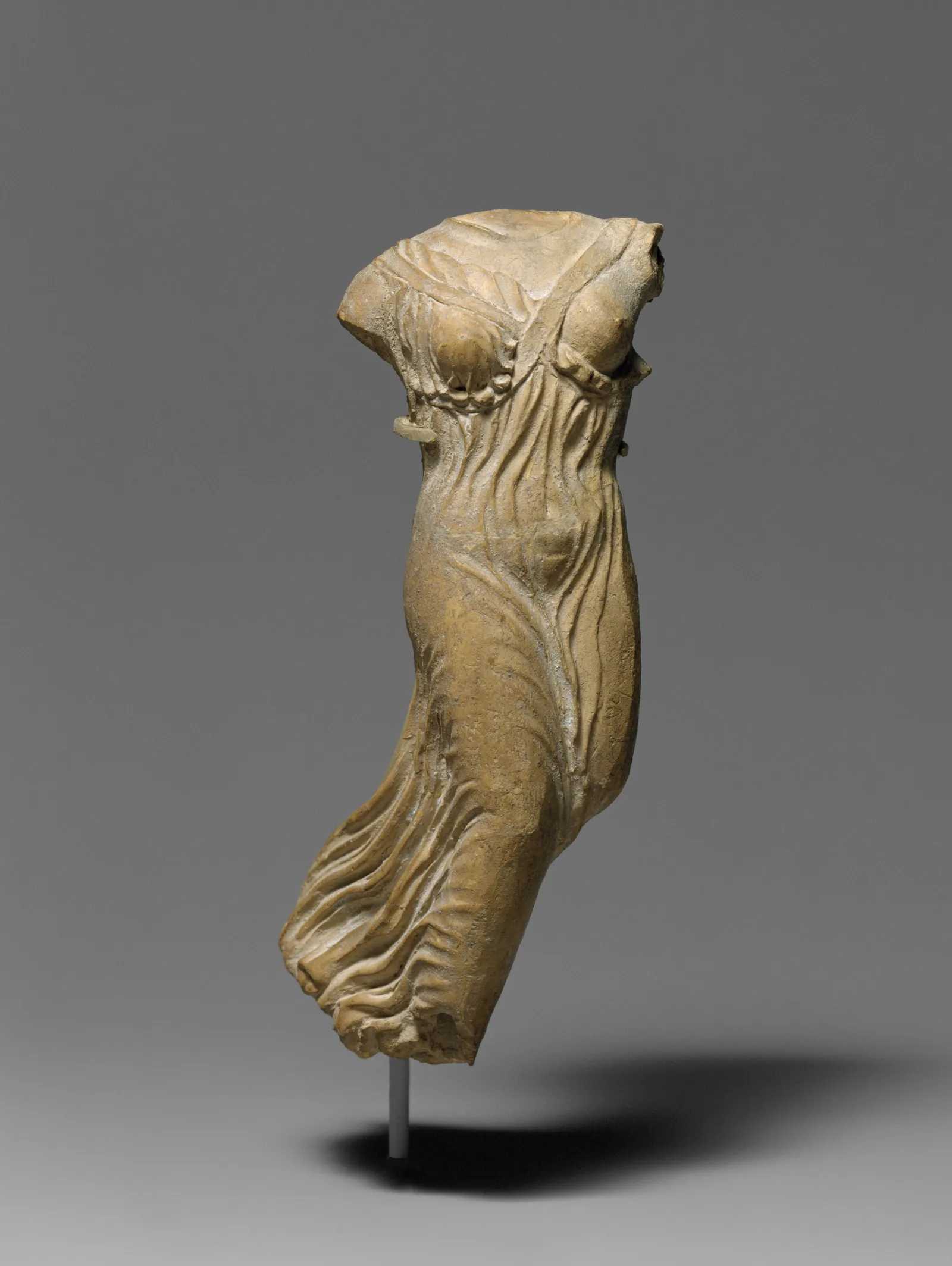
The Met’s newly announced 2026 Costume Institute exhibition, “Costume Art,” marks the debut of its permanent Condé Nast–named fashion galleries, a landmark move meant to cement fashion as central to the museum’s broader art narrative. Curated by Andrew Bolton, the show pairs garments with artworks spanning 5,000 years, using the body as its conceptual spine: naked, aging, pregnant, anatomical. On a structural level, it’s ambitious, a museum-scale argument that fashion isn’t secondary, but a visual language embedded throughout human history.
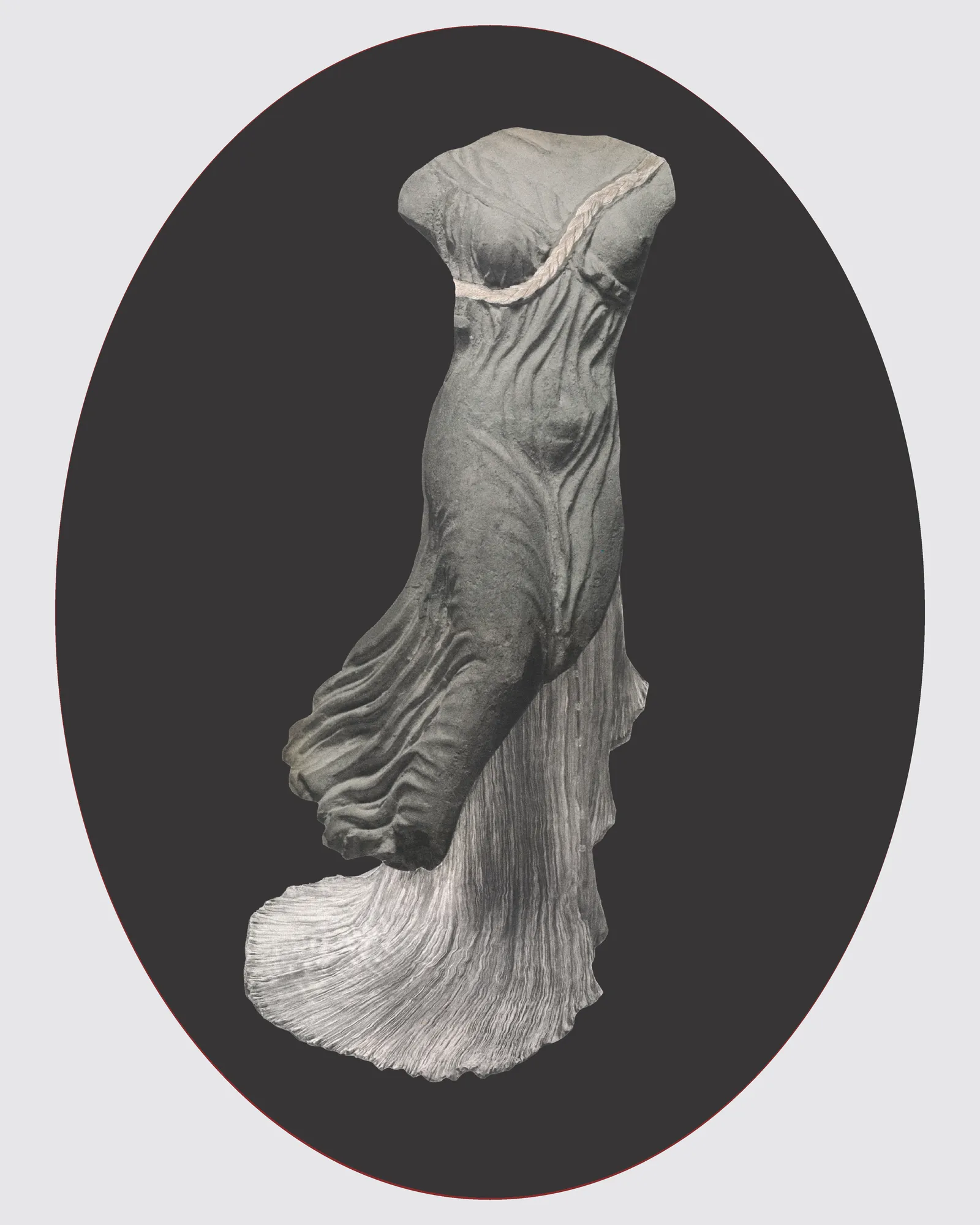
Still, the initial reception has been markedly mixed. Compared to past Costume Institute themes anchored by sweeping literature and grand storytelling, “Costume Art” reads austere, almost clinical. Early press images lean into somber states of the body rather than the theatrical imagination that once defined the Institute’s catalogues. For many, the theme’s tone feels unusually bleak for a department synonymous with narrative richness and glamour, raising questions about whether the show can deliver the kind of deep, accessible scholarship that once accompanied these exhibitions.

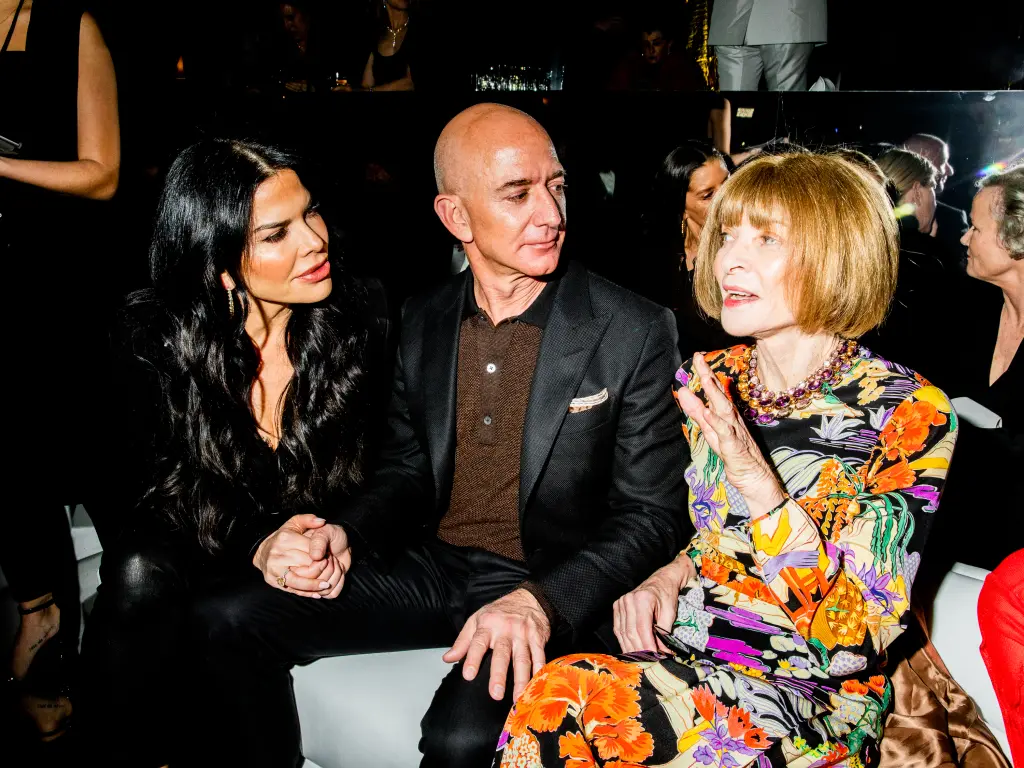
Then comes the lightning rod: sponsorship by Jeff Bezos and Lauren Sánchez. Their role as lead donors has sparked immediate critique, not because philanthropy is new to the Met, but because the optics are impossible to ignore. A show preoccupied with bodies, their aging, fragility, and representation, now sits beside a donor whose business empire has been widely criticized for labor conditions and corporate power. For critics, it’s an uncomfortable pairing; for defenders, it’s simply the financial reality of mounting an exhibition of this scale. Either way, it sets the stage for a wider conversation about who funds cultural institutions and what that means for public trust.
What happens next will determine whether “Costume Art” becomes a true intellectual milestone or just another Gala-adjacent spectacle. The exhibition has the ingredients for something meaningful: cross-departmental objects, rigorous curation, and a new permanent space built for fashion. But its legacy will hinge on what the Met builds around it, the catalogue, the programs, the transparency around its funding, and whether it can balance scholarly depth with the politics of cultural patronage.


